Weekly Favorites #20

Hey friends!

It’s the tiny woodchip lodged in the treads of your sneaker, Sam Cote, finally getting around to Weekly Favorites #20! Took the last two weeks off to pack before leaving for Thanksgiving and celebrate Thanksgiving– before I knew it December began! Glad to be back. Choosing favorites might be hard (covering three weeks!) so I might use this to fill you in on all of it 🙂

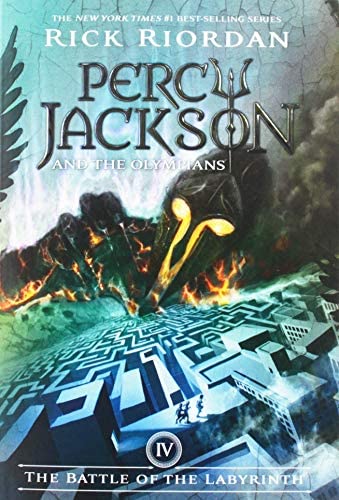
What I’m Reading: Since the last entry, I finished The Battle Of The Labyrinth and The Last Olympian, which means I’ve officially completed the Percy Jackson series! I really liked it, and I also could tell that I was far outside of the target audience. If I had read them as a kid, I would have been hooked and obsessed– I still really liked them as an adult though. I listened to What I Talk About When I Talk About Running by Haruki Murakami. I enjoyed it because I am personally interested in both distance running and writing, which are nearly the entire focus of the book. It is a memoir that knows its scope and sticks to it, which was much appreciated. It’s really easy to get preachy about running and writing, and Murakami does a pretty good job avoiding that– he speaks from his own experience and discusses his takeaways from a life spent running and writing. It sits at about four hours, so it was a fairly quick one! I finished Mort by Terry Pratchett as well. It took me a lot longer than I extected (I hoped it would be a quick read to fit between my longer ones) and I loved every word of it. Pratchett’s prose is infused with humor, and the characters feel distinctly real and whole despite living in a riduculous fantasy world. It makes Death (the character and the concept) accessible and tangible. If you’re someone who’s a bit down about the indifference of the universe and the meaninglessness of reality, this is likely to make you feel a lot better. I started the audiobook of Amanda Montell’s Wordslut on the drive back to school– as someone who is endlessly fascinated by language and its usage, I am really enjoying it. If I wasn’t already predisposed to agree with the book’s content I don’t know if I would be convinced by it– since I am, I can say that it’s really interesting and engaging! Finally, I’m physically reading Last Argument of Kings by Joe Abercrombie and Writers [on Writing], an essay collection from the New York Times. Whew, that was a lot!

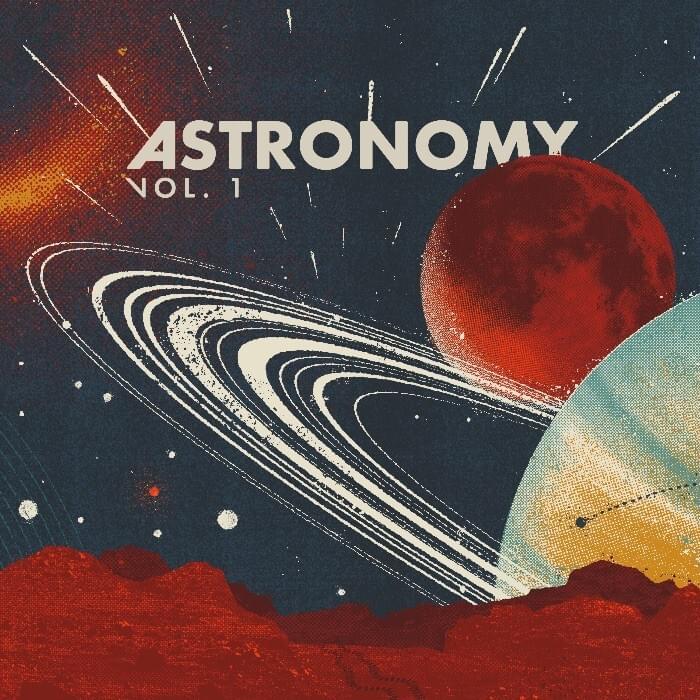
What I’m Listening To: I am listening to Astronomy, Vol. 1 by Sleeping At Last. I rediscovered it via Spotify Wrapped, and spent all day listening to it. I forgot how great it is as a backdrop while I read science fiction. I spent a good chunk of my freetime yesterday listening to this while staring out a rainy window wishing I was adrift in space on a cozy spaceship with a great crew and a lovely view of the cosmos.

What I’m Watching: Lots of videos about writing on YouTube. I’ve been sifting for the right advice phrased in the right way that is able to burrow into the flaps of my brain and stick there. Open to suggestions.

What I’m Making: Very little progress on my book. I reached 30,000 words for NaNoWriMo, and lost the writing habit over Thanksgiving break. The rhythm of life is a lot different at home, and I quickly realized that the methods I used at school wouldn’t hold up at home. Taking a break from the project has given me more perspective on it and a different view of the words I’ve written so far. I’m glad to know that I can accomplish a lot of writing in a little time, and I’m also learning how weak some of my skills really are. For example, most of the dialogue is barely salvageable– I’d like to practice writing some really strong short stories before I revisit my WIP. The Dunning-Krueger effect is definitely at play here.

How I Slow Down & Unplug: The tried and true method– reading and drinking tea before bed. My sleep schedule is in utter shambles. There have been a few nights that I had to get out of bed, make tea, and read before my brain decided it agreed with my body and became sleepy. If it works, it works.

Narrative Weight of the Language Barrier in Science Fiction: A Media Analysis

The language barrier is a common challenge explored in first-contact stories both fictional and non-fictional. As such, linguistic differences are often made synonymous with cultural differences in popular media. Two science fiction stories, the film Arrival (2016) and the novel Project Hail Mary by Andy Weir, portray the overcoming of severe inter-species language barriers. While they both emphasize the importance of verbal communication and understanding the language of their respective aliens, the pace at which characters overcome the language barrier and the complexity of the languages at hand result in vast differences in the narrative weight the language barriers have. 

Arrival and Project Hail Mary can be compared based on their shared novum: the first contact of humanity with extraterrestrial life. A novum is the “‘new’ or ‘new thing’, to refer to this ‘point of difference’ (the plural is ‘nova’). An SF text may be based on one novum. . . This ‘novum’ must not be supernatural but need not necessarily be a piece of technology” (Roberts, pg. 7) That said, they differ in a few key areas. Arrival quickly establishes that the alien life is intelligent while Project Hail Mary waits until page 125 (out of 478) to introduce intelligent aliens. Arrival exclusively features intelligent aliens, while Project Hail Mary also includes unintelligent alien microbes. Arrival bases its plot on alien linguistics (in order to save humanity from sure destruction) while Project Hail Mary treats it as a passing inconvenience on the way to more pressing plot points (saving humanity from sure destruction). This difference in attitude is what I seek to explore.

Arrival’s protagonist is Dr. Louise Banks, a linguist tasked with learning to communicate with the alien Heptapods whose ship hovers over the United States. The Heptapods, Abbott and Costello, have a cryptic and highly detailed symbol-based language. Project Hail Mary’s protagonist is middle school science teacher, Ryland Grace. On a mission to discover a solution to humanity’s existential threat, the astrophage (a space-dwelling microbe that eats photons), Ryland encounters an intelligent lifeform he nicknames Rocky, from the planet Eris. Rocky’s language, Eridianese, consists of musical notes and chords that compose words and phrases. On the page, the dialogue in Eridianese appears as musical notes.

Compared to Arrival, Project Hail Mary spends proportionally less of its narrative overcoming  the language barrier, and features a far less complex language barrier, which downplays the narrative importance of linguistic difference. While Arrival spends almost the entire film working through the language barrier, Project Hail Mary places the bulk of it between pages 168 and 222. For most of the time before page 168, there was no language barrier to overcome, as Rocky hadn’t yet been introduced, and after 222 the language barrier had been reduced to the occasional unfamiliar word. The language is treated like a code that can be easily converted back and forth between English and Eridianese without regard for interpreting grammar, sentence structures, tenses, or any of the other linguistic elements that make languages different from each other. Using a waveform analysis software and Microsoft Excel (Weir, pg. 194-195), Ryland is able to compile a fairly detailed Eridianese dictionary, with his computers translating the words as Rocky speaks them. In a paper on the issues of accurately conveying the ‘truth’ in research, James Cliffird says that “Since the seventeenth century, they suggest, Western science has excluded certain expressive modes from its legitimate repertoire: rhetoric (in the name of “plain,” transparent signification), fiction (in the name of fact), and subjectivity (in the name of objectivity)” (Clifford, pg. 5).  It could be argued that Ryland’s account of what happened is at best a partial truth, and that the protagonist, who is not a trained linguist or ethnographer, can’t be expected to give a wholly accurate account of the minutiae of learning a language– in this light it could be read a subjective account conveying Ryland’s experience as an objective occurrence. This would excuse the lack of skill in his approach to learning Eridianese, and the lack of nuance in his descriptions of Eridianese, but not explain his success in learning a completely new type of language. However, this could be refuted by Weir’s inclusion of computer software. Instead of engaging with the language barrier head-on, the software is used as a narrative tool to skip the hard parts– the protagonist is spared the long laboring hours of deduction and problem solving depicted in Arrival in order to move on to what Weir intended the story to be about: two desperate lifeforms working together to save their respective species. It is not surprising that Weir would make a convenient foreign language and convenient tools to learn it so that the story could progress smoothly, but it does significantly undercut the narrative role of (and vastly understate the difficulty of overcoming) the language barrier. This handling of language can be at best described as a plot convenience, and at worst, an example of ethnocentric writing. In his article “Ethnocentrism and Ingroup Consciousness,” Richard Adams quotes Herskovits’ definition of ethnocentrism: “’Ethnocentrism is the point of view that one’s own life is to be preferred to all others. Flowing logically from the process of early enculturation, most individuals have this feeling about their own culture, whether they verbalize it or not’,” (Adams, pg. 598). It is hard to tell from his writing whether Weir believed he was writing a completely unique language or not. If he did believe that, the fact that it is grammatically identical to English except for the word vocalizations may be unverbalized ethnocentrism showing through his writing. If this logic were to be followed further, the subordination of social sciences to hard sciences in the text could be interpreted as having a similar cause: a life lived in a society that conflates scientifically produced knowledge with objectivity.

Arrival spends almost all of its run time on the language barrier, and in doing so makes the linguistic elements of the story the defining feature of the film. This on its own would be enough to do the language barrier justice. The protagonist, Dr. Banks approaches the task in a way that effectively communicates the complexity and difficulty of unraveling an entirely new language. In the scene at minute 42 of the film, Banks describes the process, beginning with the question of whether or not the aliens understand what a question is (Villeneuve). In a piece about Arrival and the anthropological context of it, Sutton quotes McWhorter in saying, “‘The Sapir-Whorf idea is true in itself, but to nowhere near the extent that the film implies’” (Sutton, pg. 9). The pay-off of the film, the grand reveal at the end, is that the language the heptapods had been using all along was the weapon or tool that they had come to deliver in the first place. In receiving this language, Banks is able to unlock an entirely new experience of reality which demonstrates that the film is aware of the Sapir-Whorf hypothesis and able to apply it in a way that allows them to explore hypothetical questions relating to it. McWhorter is correct in saying that they overstate the extent of the Sapir-Whorf hypothesis, but in doing so they greatly magnify the narrative weight of the language barrier. Not only was learning the language shown to be crucial in answering the question of why the heptapods arrived, but it was the whole point of the arrival in the first place. In the notes of Sutton and Wogan’s introduction to their book Hollywood Blockbusters: The Anthropology of Popular Movies, they say “Weakland writes that films are superior to other fictional material. . .  in “projecting important cultural views” because “they are a group rather than an individual product . . . [and] they are a mass medium of communication, aimed for a very wide and popular audience; they thus are likely to deal, relatively simply, with quite basic and general themes, not ones which are highly intellectual, specialized, or esoteric” (Sutton and Wogan, pg. 20). In this sense, Arrival both conforms to Weakland’s low expectations for films, and exceeds them. It exceeds Weakland’s expectations in that it deals with complex linguistic ideas that mass audiences may not otherwise be exposed to. The Sapir-Whorf hypothesis might be considered intellectual, specialized, and esoteric by the casual viewer. Arrival slouches to Weakland’s expectations in the sense that it explores the Sapir-Whorf hypothesis in the most caricatured, extreme fashion, without the nuance that can be communicated in, for instance, an academic setting. The flavor-blasted version of the Sapir-Whorf hypothesis depicted in the film is not, technically speaking, a successful one. With that said, Beth Baker-Cristalis says in her article “Poiesis of Possibility: The Ethnographic Sensibilities of Ursula K. Le Guin”,“fiction writers completely control the worlds about which they write, and although those worlds may mean to say something about the world outside the book, the realities they invent begin and end within the story” (Baker-Cristales, pg. 15). While Arrival clearly draws upon real concepts and modes of understanding language, such a statement from Baker-Cristales is worth considering– part of the novum (the heptapods with their universal language) could be that the language functions in a way that is quite similar to the Sapir-Whorf hypothesis taken to the extreme. Since this is not presented directly in the film, and the claim that the Sapir-Whorf hypothesis is at work is presented clearly, it must be read as if the exaggeration is not part of the novum.

Bibliogrpahy

Adams, Richard N. “Ethnocentrism and Ingroup Consciousness.” American Anthropologist, vol. 53, no. 4, 1951, pp. 598–600., https://doi.org/10.1525/aa.1951.53.4.02a00380.

Baker-Cristales, Beth. “Poiesis of Possibility: The Ethnographic Sensibilities of Ursula K. Le Guin.” Anthropology and Humanism, vol. 37, no. 1, 2012, pp. 15–26., https://doi.org/10.1111/j.1548-1409.2012.01105.x.

Clifford, James. Writing Culture. University of California Press, 1986.

Roberts, Adam. Science Fiction. Routledge, 2008.

Sutton, David Evan, and Peter Wogan. Hollywood Blockbusters: The Anthropology of Popular Movies. Berg, 2010.

Villeneuve, Denis, director. Arrival. Sony Pictures Home Entertainment, 2016.

Weir, Andy. Project Hail Mary: A Novel. Vallantine Books, 2022. 

Weekly Favorites #19

Hey friends!

It’s the really good box you can’t bear to throw away, Sam Cote, here with another Weekly favorites (comin’ atcha in the evening this time!)

What I’m Reading: I’m continuing Mort by Terry Pratchett, from the series Discworld. I’m loving it and almost at the halfway point. It feels like a nice break from the real world whenever I pick it up, and I find myself underlining every witty line or creative metaphor– which is to say: every line.

What I’m Listening To: I’m listening to the audiobook of The Battle of the Labyrinth, but I couldn’t renew it on Libby. I ended up coughing up the credit to get it on Audible, but since I was over halfway through when I got it, I have hope that I’ll be able to return it and get my credit back when I’m done.

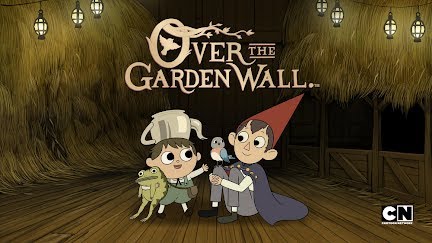
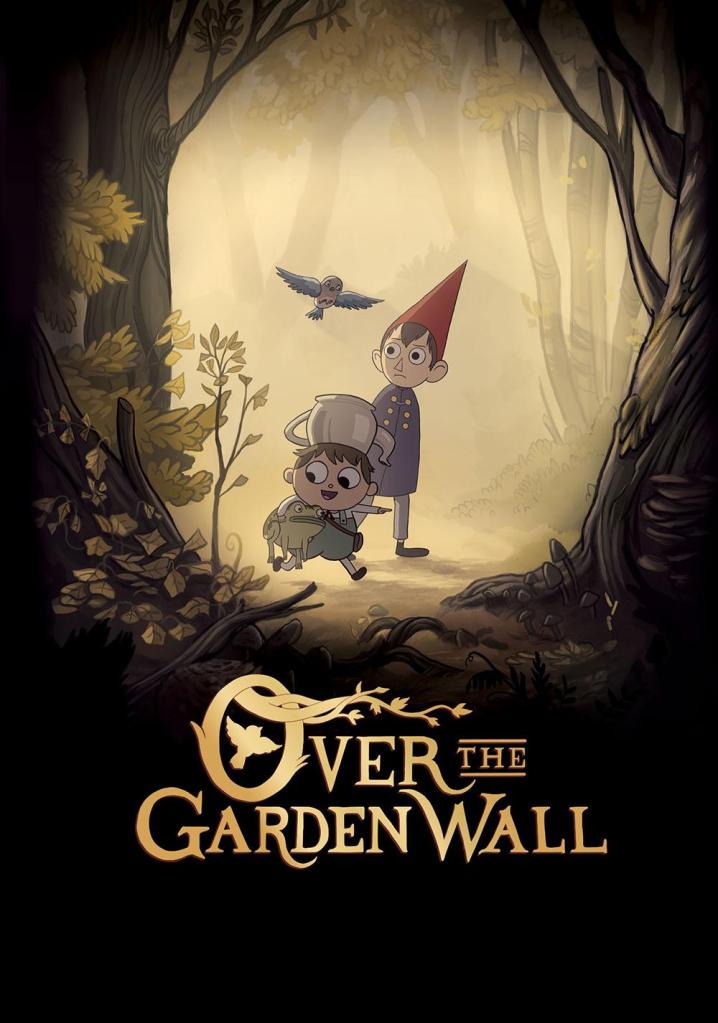
What I’m Watching: Hailey and I are watching Over the Garden Wall. I’d heard of it before, and that a lot of people really like it– I’m glad we took it up! It’s both cozy and slightly creepy, and it feels like there’s a lot to unpack in each episode, as if I could analyze them all in-depth if I wanted. It feels like high quality storytelling. I also heard its a retelling of Dante’s Inferno which I think is wicked cool.

What I’m Making: Fewer TikToks than ever! Between YouTube and NaNoWriMo, it just hasn’t been a priority for me this week– I’ve been feeling much more fulfilled by the longer term projects that these media represent for me. I’ll definitely keep doing TikTok, but forcing it on top of everything else would make them all suffer.

How I Slow Down & Unplug: Mort before bed has been lovely 🙂

Weekly Favorites #18

Hey friends!

It’s the monster under your bed, Sam Cote, here with another week of Weekly Favorites!

What I’m Reading: I started reading Mort by Terry Pratchett this week! So far I’m really enjoying it– it has a similar tone and style to The Hitchhiker’s Guide To The Galaxy, and I’m liking the fact that this is fantasy rather than sci-fi. I ended up DNFing We Ride Upon Sticks by Quan Barry. Nothing against the story or the writing– I was reading it as an e-book which is by far my least favorite format for consuming literature. I was also reading it for the witchy vibes, and Halloween passing by has made me less in the witchy mood. I think I’ll come back for it at some point.

What I’m Listening To: I’m listening to the playlist I put together for my WIP– It’s not my usual level of curation and intention, but its full of albums that pull me into the world of my story. Lots of Andrew Prahlow, Ludovico Einaudi, and Noah Kahan.

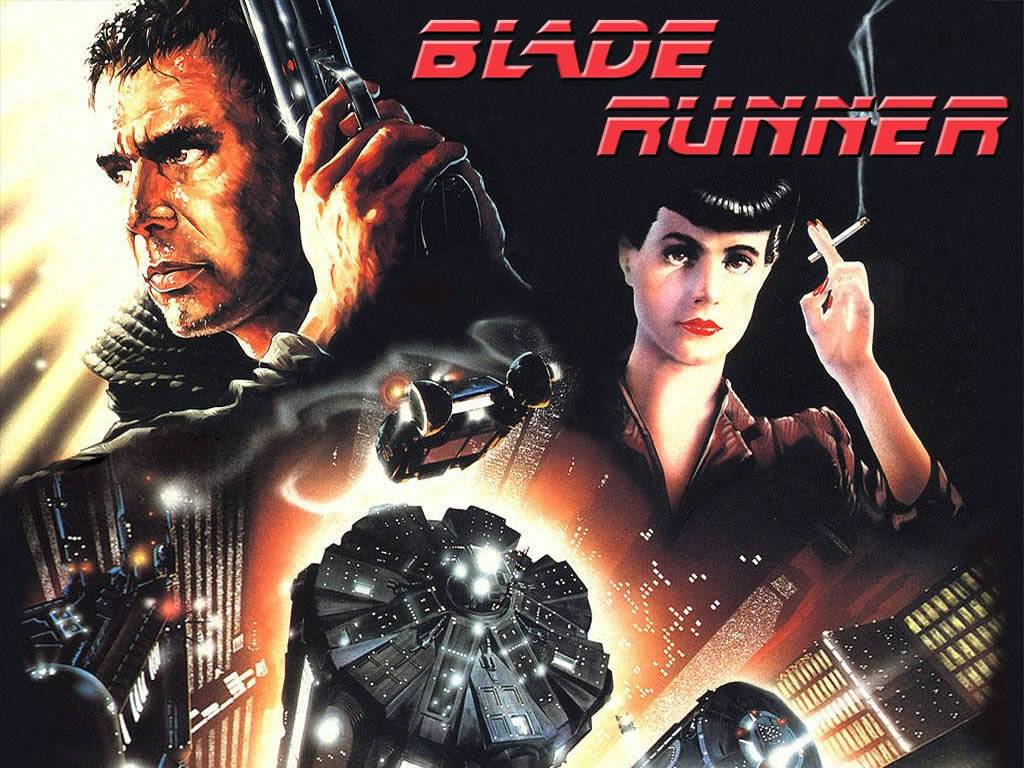
What I’m Watching: I watched Blade Runner for my Sci-Fi class. I think I wasn’t in the right mindset to enjoy it. I could tell it was really well done and explored some really interesting concepts, but I wasn’t feeling as drawn into the story as I would have liked. Our in-class discussion of the film was very engaging– this unit is about the post-human and mimicry.

What I’m Making: I’m doing NaNoWrimo this year! It officially started this part Tuesday, so we’re three days in so far. It’s going quite well– I’ve been able to reach the writing goal every day without too much difficulty, and built in some buffer room. When I know what scene I’m going to write, the word count comes fairly easy. I can foresee difficulty arising once I’ve gotten through most of the main scenes and connective tissue. That has been the bulk of my creative work this week, along TikToks and Reels about NaNoWriMo, and my usual videos.

How I Slow Down & Unplug: I’ve gotten back in the swing of reading before bed! It definitely helps we wind down and get to sleep easier. Highly recommend!

Weekly Favorites #17

Hey friends!

It’s the extra crunchy leaf you stepped on today, Sam Cote, and it’s time for Weekly Favorites #17!

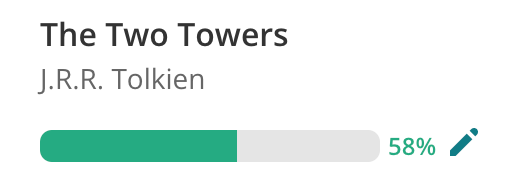
What I’m Reading: I finished the Two Towers! I really enjoyed it, and I’m also glad to be past it. Gonna read some other things before I hop into another really long book. I’m currently reading We Ride Upon Sticks by Quan Barry, and listening to The Battle of the Labyrinth by Rick Riordan on audiobook (via Libby).

What I’m Listening To: Like everyone and their mother, I’m listening to Midnights by Taylor Swift. I’d like to highlight some other albums that aren’t getting as much attention: I’m also enjoying MOSS by Maya Hawke, Undiscovered by Ludovico Einaudi, and Here Goes Nothing! by Adam Melchor.

What I’m Watching: I finished House of the Dragon! I am very impressed with how it wrapped up. I’m both satisfied with season one and eagerly awaiting season two. (Spoilers now!) The dragon chase between Aemond and Lucerys was wild. I’m a big fan of the choice to have the dragons stop listening to their riders, and let the situation escalate from bad to irreparable– it shows the immaturity of their riders, and just how little control over the dragons they (and maybe their parents) really have. The fact that the stakes were so high surrounding the impending succession war and such an unfortunate murder tipped the balance felt like a masterful story beat. The lack of audible dialogue in the scene where Rhaenyra is told what happened was the icing on the cake for me. My criticisms from previous blog posts still stand, but in general I’m very impressed by episode ten! (End spoilers).

What I’m Making: Two big things! We’ve had a cappella rehearsal every night this week in preparation for our annual Spooktacular tomorrow, so I’ve been making quite a bit of music. Things are coming together nicely, and I’m really excited to perform! I’m also working on preparations for NaNoWriMo! I’ve had a few ideas simmering in the background for a while, and I’m finally getting around to plotting and planning. I’m hoping that the preparation is enough to get me started on the challenge! I’m both excited and terrified.

How I Slow Down & Unplug: I’ve been quite bad about it this week– I’ve gotten home from rehearsal exhausted every night, and proceeded to lay on my bed and scroll through TikTok until 1AM. Here’s to fixing my sleep schedule next week!

Weekly Favorites #16

Hey friends!

It’s the little sound that tells you your AirPods are out of battery, Sam Cote, back with another Weekly Favorites!

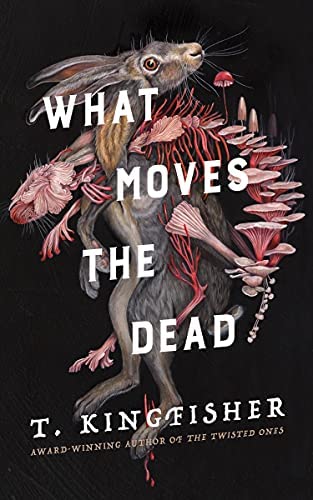
What I’m Reading: I started and finished What Moves the Dead bt T. Kingfisher, and continued The Two Towers! What Moves the Dead is (one of) the first horror books I’ve read, and its a retelling of Edgar Allan Poe’s “The Fall of House Usher.” In T. Kingfisher’s retelling, she follows Alex Easton, a war veteran from Gallacia; Madeline Usher, who has contracted a mysterious illness; Roderick Usher, Madeline’s older brother and Easton’s brother in arms; Denton, an American “doctor”; and Eugena Potter, an amateur mycologist who is fascinated by the unique fungi in the lands surrounding the Ushers’ decaying manor. The prose and character work are impeccable, and I found myself quickly invested and constantly uneasy– a great first experience with horror. The cover is also gorgeous. I also started reading We Ride Upon Sticks by Quan Barry– so far it’s a lot of fun, and very halloween-y.

What I’m Listening To: those days (-Light Years II- THE NORTH FACE Sphere A/W) by Haruka Nakamura. It’s been great for reading to! More of a lofi feel than I’m accustomed to with Nakamura’s work. It manages to be quite interesting without being distracting.

What I’m Watching: I finished Rings of Power! I think it would’ve been a great ending if it didn’t have to do so much of the leg work of the season— on paper, the season set up the conflicts at the beginning of the season, and resolved most of them by the end of the season, so it should’ve worked well. I think the types of conflict weren’t strong enough to really grip me, so the resolutions weren’t all that satisfying to me. I think certain plot threads should have been wrapped up sooner in order to make room for more to happen later in the season. I felt substantially more interested and engaged while watching episode nine of House of the Dragon than I did watching the season finale of Rings of Power even though George R.R. Martin’s stories perpetuate some really bad themes. Just goes to show the power of good writing, and how it can engage a skeptical audience in an active dialogue. I can’t really defend RoP ‘s writing, nor do I feel particularly compelled to do so.

What I’m Making: I’m making promotional materials for Orange Appeal’s Spooktacular! It’s out biggest concert of the year, and we’re recreating famous halloween movie scenes to advertise. Stay tuned on our instagram page to see them!

How I Slow Down & Unplug: Most evenings I’ve been reading and having tea before bed 🙂

Weekly Favorites #15

Hey friends!

It’s the ballpoint pen that mysteriously entered your life and stuck around, Sam Cote, here with the fifteenth entry of Weekly Favorites!

What I’m Reading: Still chugging along with The Two Towers and A Fisherman of the Inland Sea. The more of A Fisherman that I read, the more I’m enjoying it. “The Shobies’ Story” and “Dancing to Ganam,” which are both canon in the Hainish cycle, have been my favorites in the collection so far. Only one story left before I finish it!

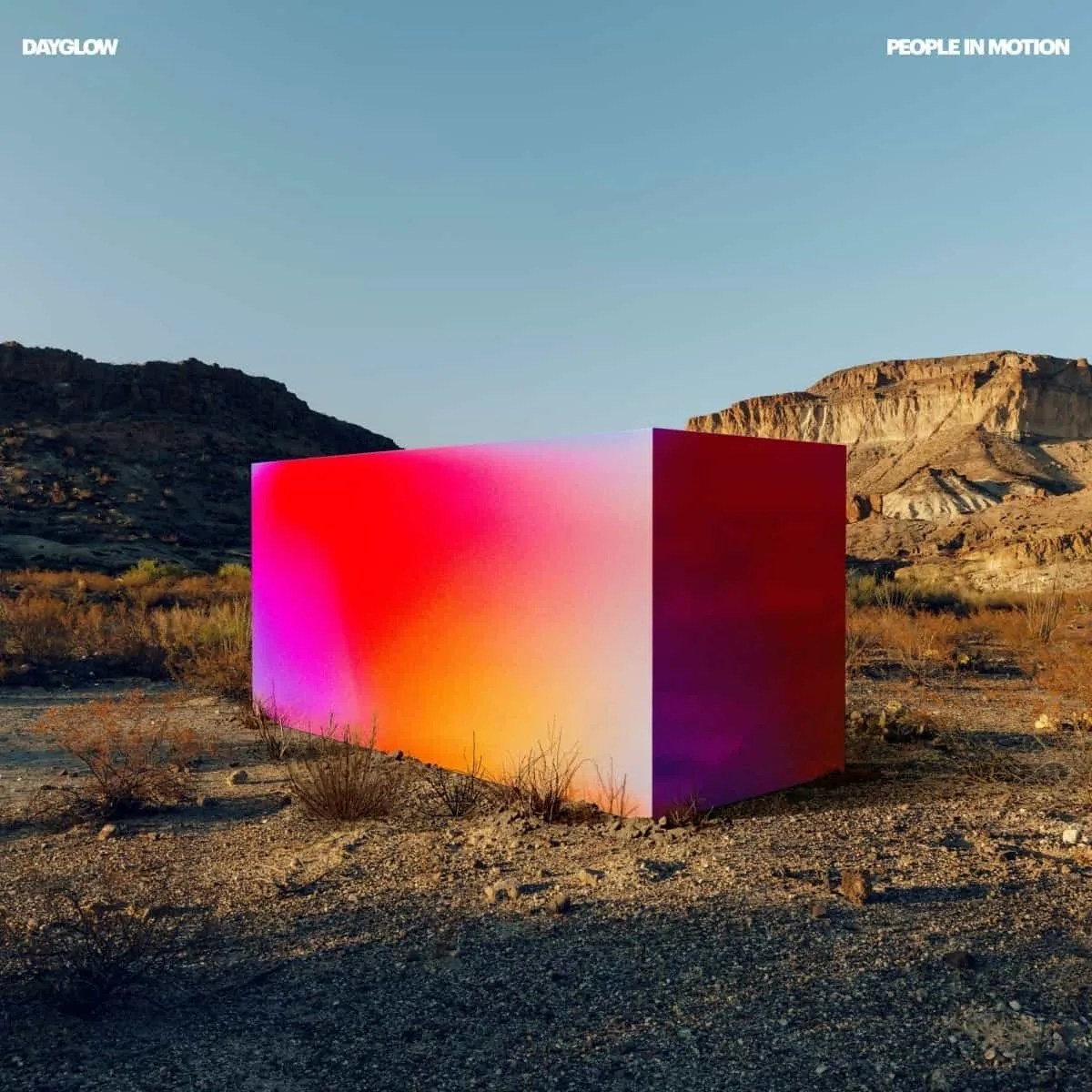
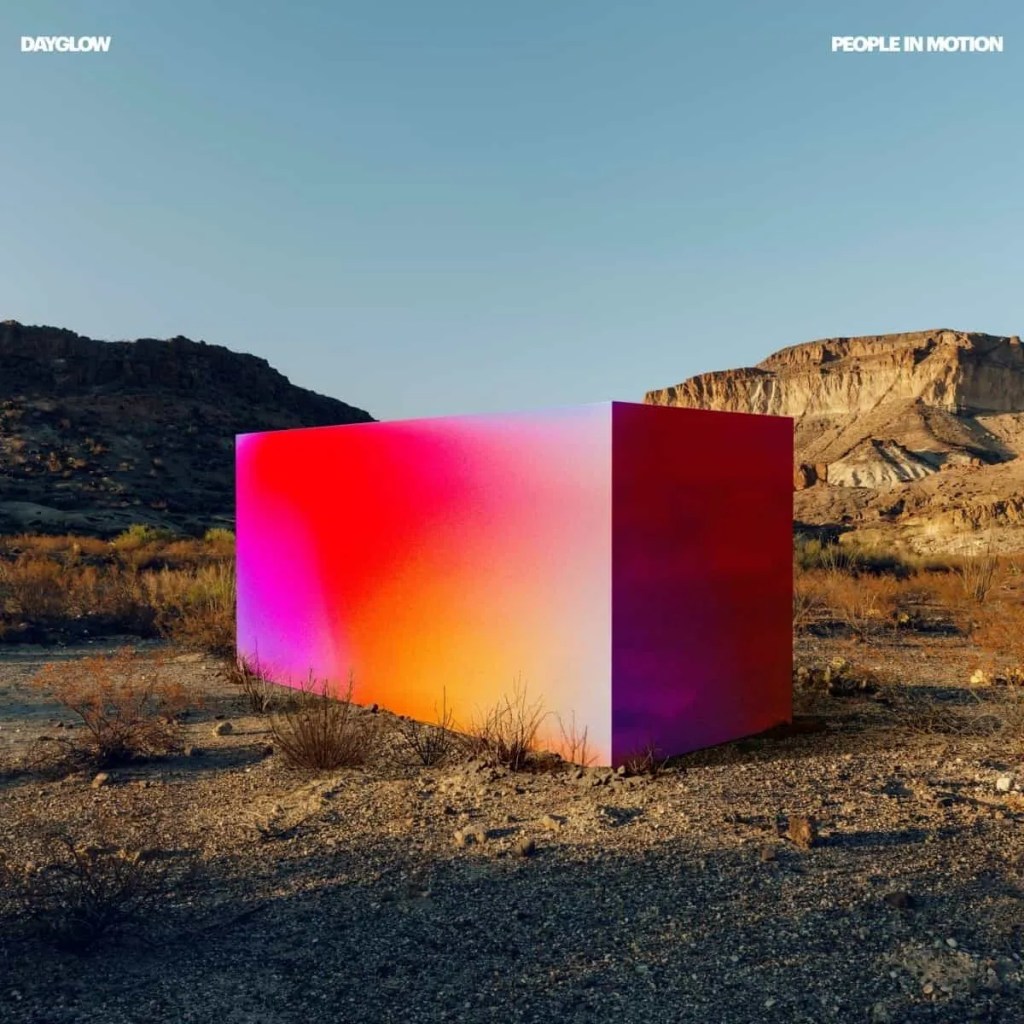
What I’m Listening To: People In Motion by Dayglow. It’s upbeat and poppy, which is just what I needed this week. It’s akin to the music I listened to a lot in high school, and I like that its bringing back some of those memories while also being new to me. It released just last week!

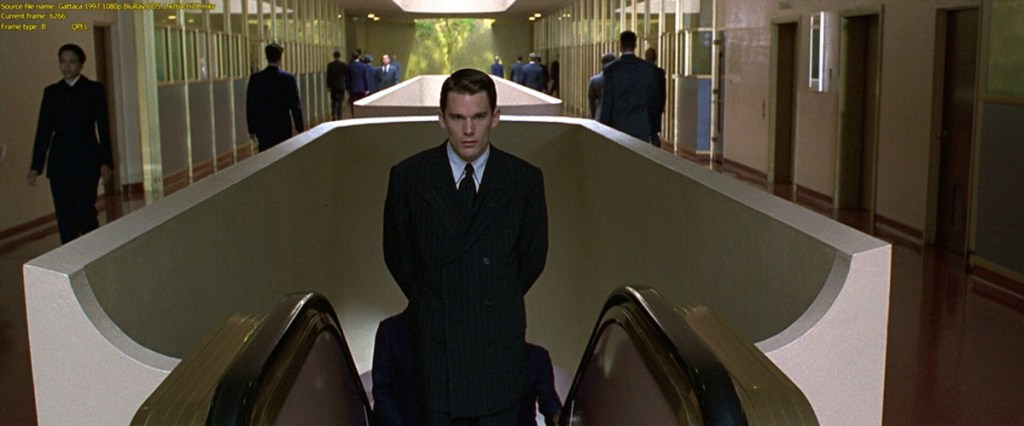
What I’m Watching: I watched Gattaca for class, and I thought it was quite good! We had a fantastic discussion about the themes of structural violence and oppression, the successes and failures of the film in portraying the themes, and how our own society’s issues (media focusing primarily on white male perspectives) that carry into the production of Gattaca hinder the success of the film’s speculative elements. Definitely worth a watch if you’ve never seen it, and some great star-power in the cast.

What I’m Making: Working on my first attempt at a book tag! I’ve seen plenty on the internet over the past few years, and wanted to try my hand at orchestrating my own. Should be a fun experiment, and you’ll see it on the blog when its ready.

How I Slow Down & Unplug: Been trying to get in the habit of reading before bed. Last year when I weas reading Oathbringer, that’s how I chipped away at the behemoth page count. I think I’ll be able to finish books more efficiently (something that’s been a struggle recently) if I can establish a solid routine like that.

Weekly Favorites #14

Hey friends!

It’s the bookmark you thought you lost until you reread the book you left it in, Sam Cote, here with Weekly Favorites for the 14th week in a row!

What I’m Reading: I’m continuing The Two Towers by Tolkien– something about the edition of the book I was reading was inhibiting me from picking it up, so I switched to an edition I’m not as worried about damaging. That has helped! Continuing the tandem method for it as well. Also working on A Fisherman of the Inland Sea by Ursula K. Le Guin, which is a collection of some of her short stories (a few of which are canon in The Hainish Cycle). I’m enjoying the rapidity with which I can read the short stories in comparison with the much slower Lord of the Rings books.

What I’m Listening To: I’ve had Songs from the Sunroom by Field Medic on repeat all week. When I’m in the mood for it, there are no skips on the whole album– Field Medic manages to make each song unique while maintaining a consistently folky, nostalgic, melancholic vibe throughout all of them. It’s been getting me much more in the fall mood, as the air is getting colder. I particularly enjoy “uuu” and “like a feather or pawprint,” but the tracks all quite exceptional in their lyrics, arrangements and production.

What I’m Watching: District 9. As is becoming a consistent feature of the “What I’m Watching” section, I watched this for my Sci-Fi Anthropology class. Since this is my first time watching it, I found the messaging/thematics to be a bit on-the-nose, but I’ve heard that the complexity is more apparent on the second watch (something I’m definitely willing to do). It explores themes of otherness, the naturalization/essentialization of race, and processes of enculturation (among other things), and is generally very entertaining. It certainly has its problems, notably its representations of Nigerians within South African society. If you check out the film, keep that in mind.

What I’m Making: I was interviewed for a podcast! Kyle Johnson (@panic_kyle on TikTok) invited me onto his podcast, What’re You Reading, to talk about Ursula K. Le Guin’s The Word for World Is Forest. Our conversation will likely release net week– I’ll post about it on Instagram when it does, so stay tuned!

How I Slow Down & Unplug: I’ve been getting my sleep schedule reined in and have started waking up early to go on runs. The morning is my favorite time of day by far, and I’ve missed it a lot. I’m already feeling happier and more fulfilled after a few days of this routine.

Weekly Favorites #13

Hey friends!

It’s the geek in the pink, Sam Cote, back with Weekly Favorites #13! Thinking about trying this out in video form at some point in the near future– stay tuned!

What I’m Reading: I’m currently reading The Two Towers! Hyped to get back into LOTR, and really enjoying it so far. I’m doing the tandem-style reading again, where I switch between the physical copy and the audiobook– Andy Serkis does quite a good performance! One of the best parts of reading LOTR is seeing all of the great story elements that didn’t make it into the movies.

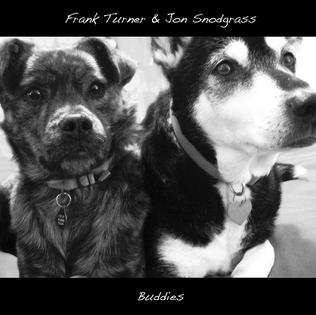
What I’m Listening To: Just rediscovered the album Buddies by Frank Turner and Jon Snodgrass. Quite a fun little project that they wrote and recorded in a day– fairly short to listen through too! It feels part-podcast because there’s so much banter at the beginning and end of each track.

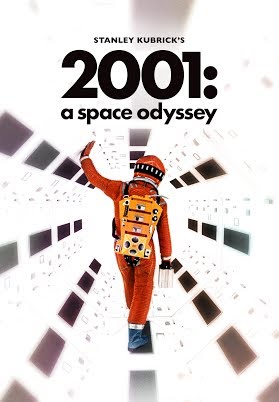
What I’m Watching: Keeping up with Rings of Power and House of the Dragon still! Also watched 2001: A Space Odyssey for my sci-fi class. Quite a weird film– took me two tries to watch it without falling asleep. It alternates between moments of plot-heavy narrative, excruciatingly slow shots of machines whirring and spaceships moving in silence, and the occasional million-year time jump. I really didn’t know what to make of it until our discussion in class.

What I’m Making: Thinking about ways to improve the content I put on the internet. I’m as motivated as I’ve ever been, and also the most frutrated I’ve ever been. Progress has felt very slow recently, and I’m hoping to find ways to be more engaging for my audiences.

How I Slow Down & Unplug: Seeing friends! Now that I’m out of isolation, I’m enjoying being able to catch up with friends and socialize again.

Weekly Favorites #12

Hey friends!

It’s your first-ever D&D character that is a halfling for some reason you can’t explain, Sam Cote, back with entry 12 of Weekly Favories! Happy Hobbit Day to everyone who is celebrating! I’ll be making all seven meals today to honor our stout heroes: Bilbo, Frodo, Samwise, Merry, and Pippin.

What I’m Reading: I finally finished The Titan’s Curse, thanks to the help of the audiobook. Overall, I think it’s been my second favorite Percy Jackson book so far (after The Lightning Thief). Since then, I’ve been reading The Word for World is Forest by Ursula K. Le Guin. At around 160 pages, its a pretty short one to fit in before I move on with the mega-series. I’m enjoying it so far!

What I’m Listening To: I finished the audiobook of Ring Shout by P. Djeli Clark! I thought it was really well-written and impactful, and I can see why it won so many awards. I think the short length was a good choice plot-wise, but left something to be desired character-wise. It was able to fully explore the events presented without biting off more than it could chew, but the ability to explore the charaters’ past and relationships was more condensed than I typically prefer. When I’m asking for more from a book, it’s a sign that I enjoyed what was given!

What I’m Watching: This week I watched both the 1984 and 2021 adaptations of Dune for my Sci-fi class. It was really interesting to see them both side-by-side. I think the 2021 adaptation is much stronger in its character work, and the characters feel much more real than the 1984 version. The 1984 adaptation leans into parts of the book that I consider to be its worst features: namely, the conflation of homosexuality and fatness with evil, as seen in the characterization of Baron Harkonnen, and the overall odd pacing. The homophobia and fatphobia exists in a few key lines of the book, and is exaggerated further in the 1984 film. It also does nothing to address the weird pacing by shoving the whole book into one film. The 2021 adaptation omits (at least in this first film) the homophobia communicated in the Baron’s character, but the fatphobia is not so easily addressed– a major aspect of the character is that he is supposed to be physically reviling, which the 2021 film downplays but still contains. In my opinion, the villain should be primarily reviling for his morals and actions, not his appearance. At first, I was skeptical about the new Dune adaptaition being split into 2 films– the book itself is split into three sections, so why not three films? However, this choice is making more sense to me on the basis that it disrupts the odd structure of the book in favor of a new approach. I’m curious to see how it plays out!

What I’m Making: I made my first book review reaction video this week! It was pretty fun to make, and a bit different from my usual content. With the help of my girlfried, Hailey, we made a game out of it, and I tried to guess which books the reviews were talking about.

How I Slow Down & Unplug: I’ve had COVID since last Thursday, so naps have been key!