Last week’s Weekly Favorites was a hit, and I enjoyed writing it, so I’m gonna stick with the format! I’d also like to get on a schedule for more/different blog posts soon– stay tuned!
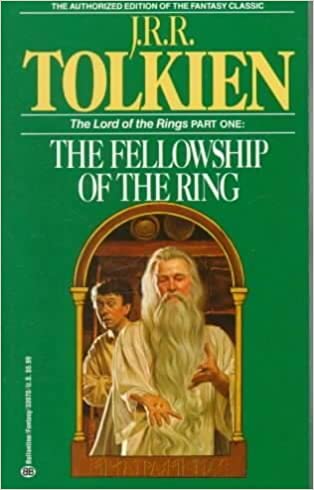
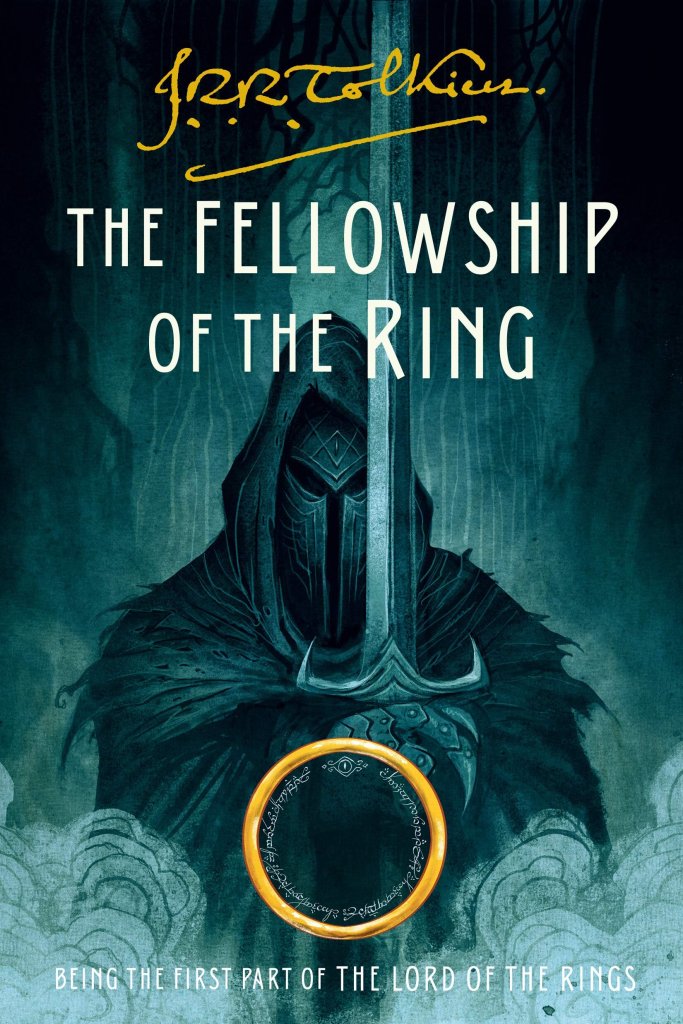
What I’m Reading: I am still making my way through The Fellowship of the Ring, and it keeps getting better! I’m just over halfway through. While the pacing is definitely slower than I’m accustomed to, I am noticing that Tolkien is very goot at tension-and-release in his narrative. The long, drawn out travel sequences make the ephemeral rest scenes so much sweeter. In that way, it feels more like a real journey than many other fantasy books I’ve read. Also, I switched over to a retro edition of The Fellowship.
What I’m Listening To: Every once in a while I’ll remember a favorite artist that I haven’t listened to in a while. This week, that was Frank Turner. I love blaring his discography while I drive and singing along– it it can be quite cathartic!
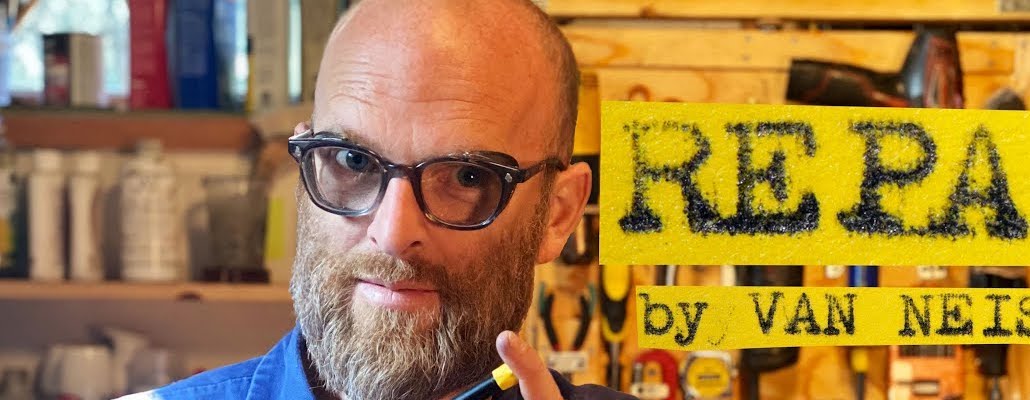
What I’m Watching: This past week, I dove into the backlog of Van Neistat’s YouTube channel. I had been a frequent viewer of his videos in spring 2021, but gradually found other things to be interested in. Rediscovering it this week, I was reminded of what it means to be thoughtful about video creation. All of Van’s work has, to use his words, a very “made” feeling. He makes his videos tangible in a way that many other creators (myself included) can’t (yet).
What I’m Making: I’ve been making an effort to make more drawings this week. The past month, I haven’t gotten around to buying myself a new sketchbook, so it was very easy to fall out of the habit. My solution this week: drawing on postcards! I sent off a bunch of them, and had a lot of fun with it. I’d like to get my hands on an actual sketchbook soon, though.
How I Slow Down & Unplug: Nothing crazy this week: reading! You knew that already 😉
I’ve been on the hunt for an interesting, engaging, intentional way to do updates on the media (and other fun things) that I’m enjoying every week. This is my first attempt at doing so! I’ve personally enjoyed recieving this style of newsletter from the pencil company Blackwing, and thought I’d try it out myself. Let me know what you think!
What I’m Reading: I’m currently reading The Fellowship of the Ring by J.R.R. Tolkien. This book is living up to its reputation as a slow-paced read and a beautiful one. I’m almost 200 pages in and so much has already happened that the LOTR movies (extended versions included!) don’t mention at all– it feels like bonus content, but it’s really the source material. 😁
What I’m Listening To: This week I’ve been listening to two audiobooks and a playlist. I’ve currently got Ain’t I A Woman by bell hooks well underway (59%), and have just started Spineless by Juli Berwald (both from my library via the Libby app). Listening to non-fiction in audiobook format is by far my favorite way recieve them– feels like an extra long, well-executed podcast! I’ve had my fantasy-vibe Spotify playlist on repeat for the past month or so– it’s called “Gods, Goblins, Gamers” if you’re interested!
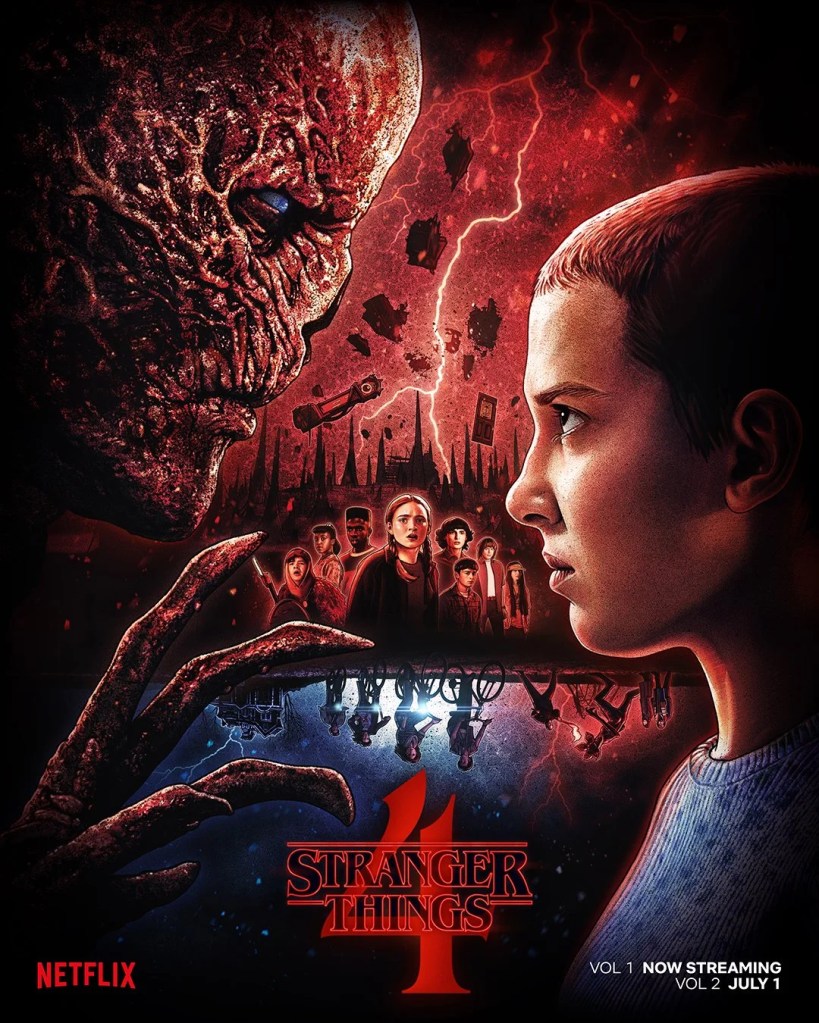
What I’m Watching:Stranger Things 4! I’ve got one episode left (the suuuuper long one) and I can’t wait to see how it all wraps up. This season has completely blown away my expectations– I’m not typically into scary stuff, but the character work has got me bait-line-and-sinker going into the finale.
What I’m Making: I’ve been writing fiction recently, and having a lot of fun with it. I love the camp-core/cryptid aesthetic, and have some fun stuff in the works. Not sure if/when it’ll be seen by the public– trying to put in my 10,000 hours for writing and having fun doing it! Also been brainstorming a lot for future YouTube videos! I feel as though I haven’t thrown myself full-force into the BookTube scene and I’d like to change that ASAP. Got some fun ideas, and feeling motivated to try them out! Also making TikToks as usual ¯\_(ツ)_/¯
How I Slow Down & Unplug: I’ve been doodling in just about every moment that I’m not doing something else. It’s always been fun and relaxing for me, and it never fails to get the creative juices flowing! Writing postcards and letters to friends has also been a lovely way to decompress and stay in touch with the people in my life.
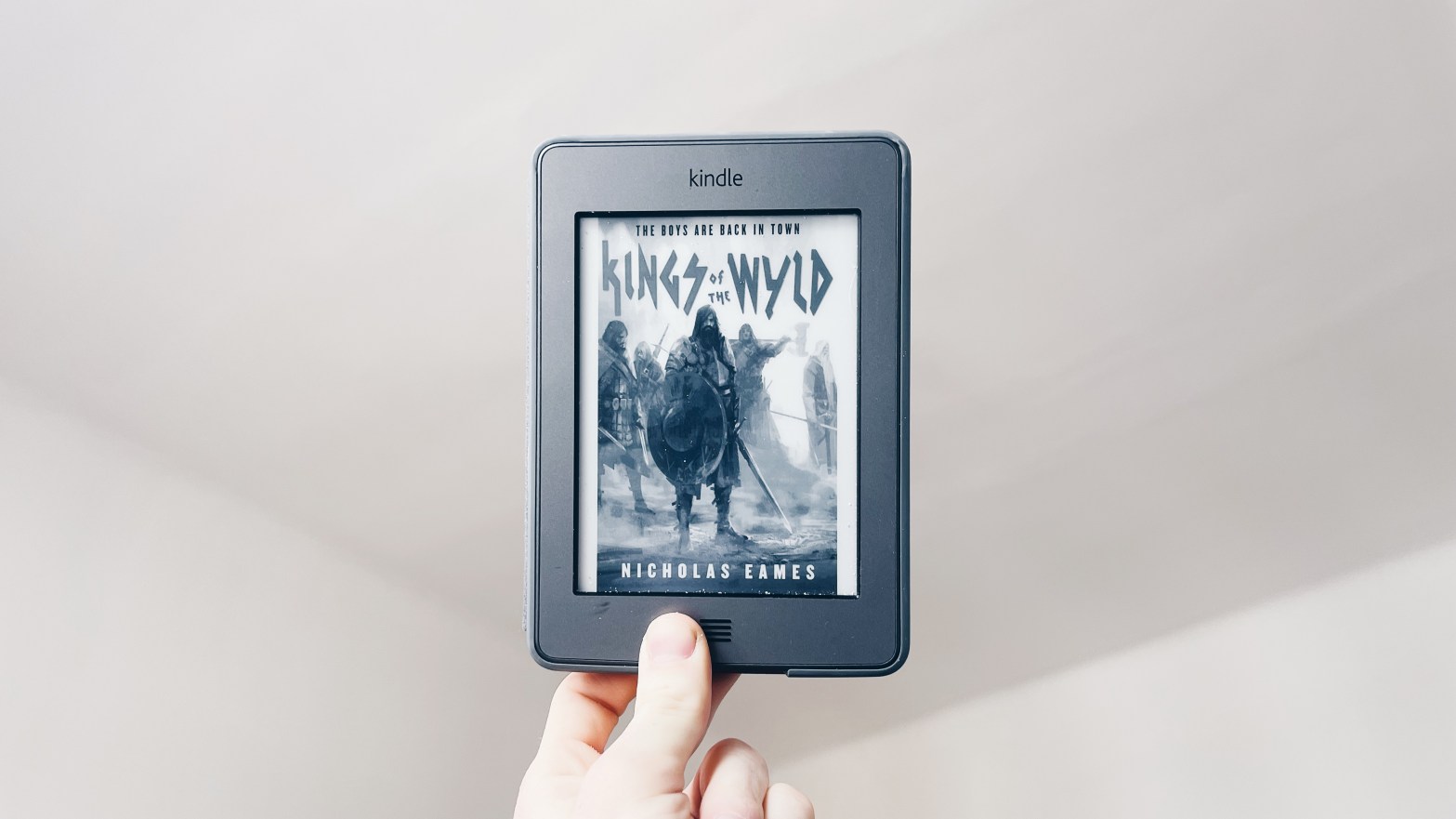
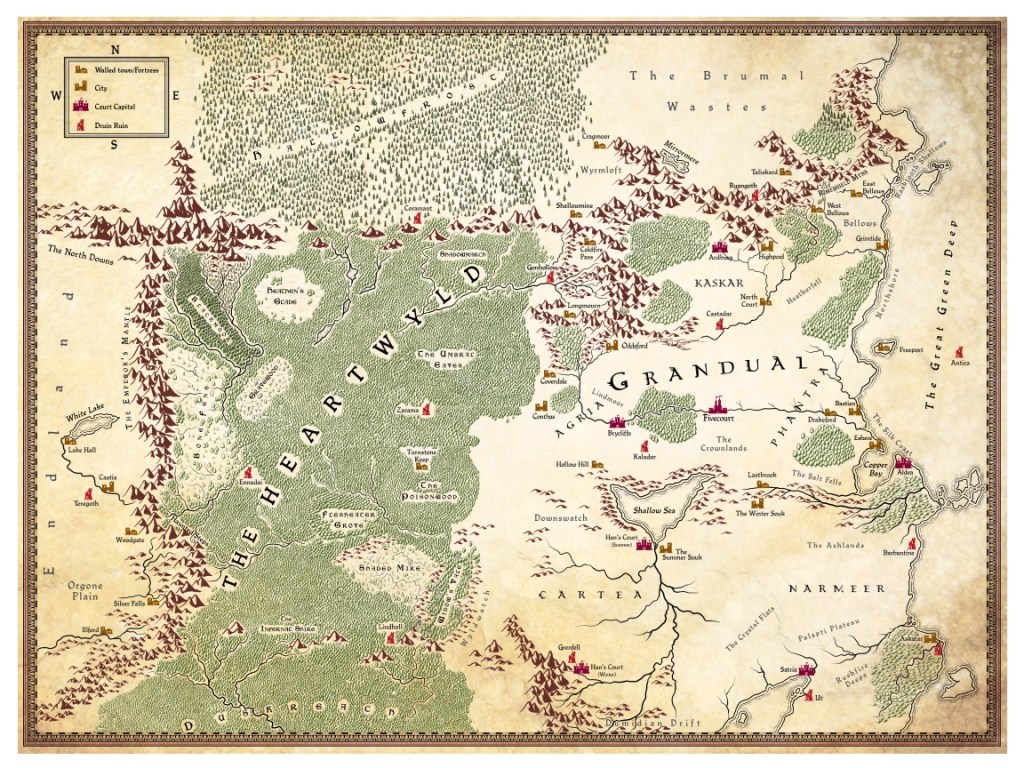
Hello! Yesterday I finished Kings of the Wyld by Nicholas Eames. While my thoughts on this book fluctuated drastically multiple times over the course of reading this book, by the end I couldn’t deny how much fun I had reading it and how attached I had grown to the characters. I’ll show you all the ins and outs of my changing opinions, and how Eames managed to bring me back around swiftly and decisively. I read this in e-book format via Libby (if you don’t know about Libby, definitely look into it), and I plan on getting them physically once I’m back in the States again. After a few months without writing a blog post, this book has managed to get my butt back in the chair to tell you about it. As always, I’ll warn you well before any spoilers rear their ugly heads.
My Thoughts
Kings of the Wyld follows middle-aged family man and former mercenary Clay “Slowhand” Cooper as he and his old bandmate Gabriel set out to get their old band back together for one last (vitally important) quest. In a genre that is dominated by young, fit protagonists, this concept is a breath of fresh air– we feel every backache along the way, every time Clay longs to be home with his family, and countless recollections of the glory days. The characters are motivated by a force that’s not utilized nearly enough in fantasy: deep familial love, and fierce loyalty to old friends. Not to mention, Eames draws on the 1970’s music scene for inspiration. Surprisingly, this is most clear in his worldbuilding. Clay’s old band, Saga, became truly legendary in the years since they broke up– making him and his bandmates the fantasy equivalent of rockstars. This world is full of fresh upstart bands that tour from city to city, legendary solo acts, and nods to real musicians (my favorite being a mercenary named Neil the Young, who is actually quite old). All of this gives Kings of the Wyld a distinctly dad-rock energy that I never knew questing fantasy needed.
This book is often described as reading like a D&D campaign– this is true. It’s a comparison that I think gets overused, but it is definitely questing fantasy and has the humor of friends around a table shooting-the-shit. In an interview with Youtuber Daniel Greene, Eames says “I have played D&D a couple times with people who are very very serious about it, and it is not enjoyable.” In keeping with this, the story doesn’t take itself too seriously– it feels as though it was written with the “rule of cool” at its heart, and focused on having fun. That said, Eames is great at knowing when an emotional beat will hit, and he hits them all dead-on. When I wasn’t crying from laughing, I was actually crying. Combine this with a fast-paced plot and lovable characters, and it’s a recipe for a great read.
This next paragraph gets mildly (very mildly) spoiler-y to discuss portrayals of women in the book– feel free skip if you want to avoid them.
Here’s where my hesitations began: the motivation for the entire quest is to save Gabriel’s daughter. At the start, I didn’t totally buy into the idea that she needed saving– Eames characterizes her as a capable warrior in her own right, which left me thinking that the protagonists were operating on the false assumption that she needed saving. It’s a pretty male-centric book as a whole, and not all of the women at the beginning are portrayed in the best ways. I considered DNF’ing it for these reasons– if I couldn’t fully get behind their mission, what would be the point? BUT! it got better! As the story progresses, more women are introduced, become important to the plot and are, dare I say, well-written (or better-written at least). The stakes for Gabriel’s daughter also escalated to the point where I could see that even as a very capable warrior, she could use a hand from her dad and his washed up friends. There is also a little bit of LGBTQ+ representation, which is nice to see. All this taken together, it won me back over and allowed me to better enjoy the story. From that point on, I was able to really invest myself in the plot and root for the characters. The story remains fairly male-centric, but most of the issues I had at the start got ironed out over time– I’m glad I stuck with it!
The sequel, Bloody Rose, isn’t available through my library on Libby, so I’m going to have to either wait until I’m back in the US to get it physically, or find another means of getting the e-book. It is inspired by the 80’s music scene, which I’m sure will be a lot of fun as well!
Thank You!
Thank you for reading! I would love to hear if you end up checking out Kings of the Wyld or any other books I’ve reviewed on here. I’m hoping to do more reviews soon– I’ve been reading a lot, so stay tuned!
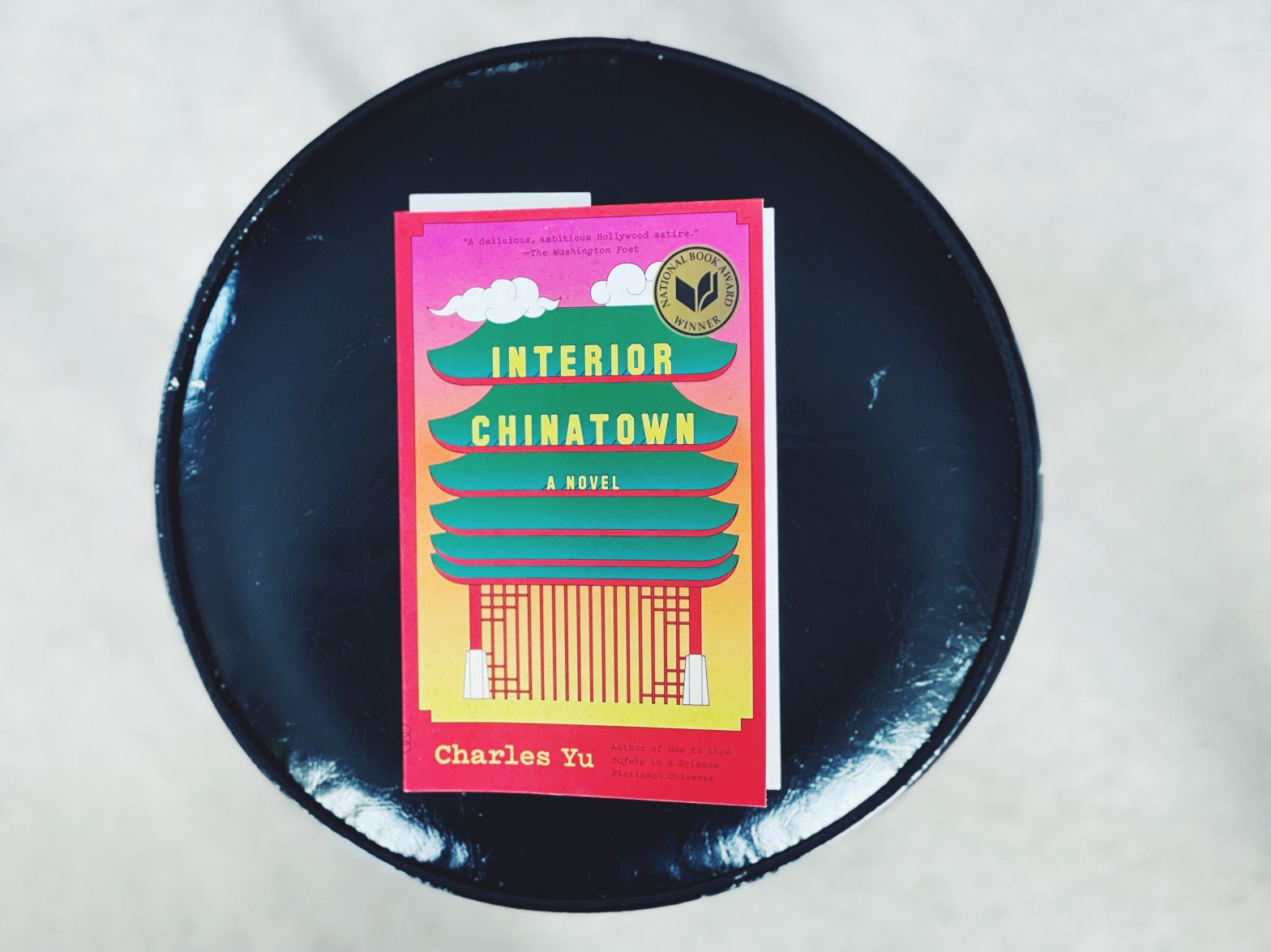
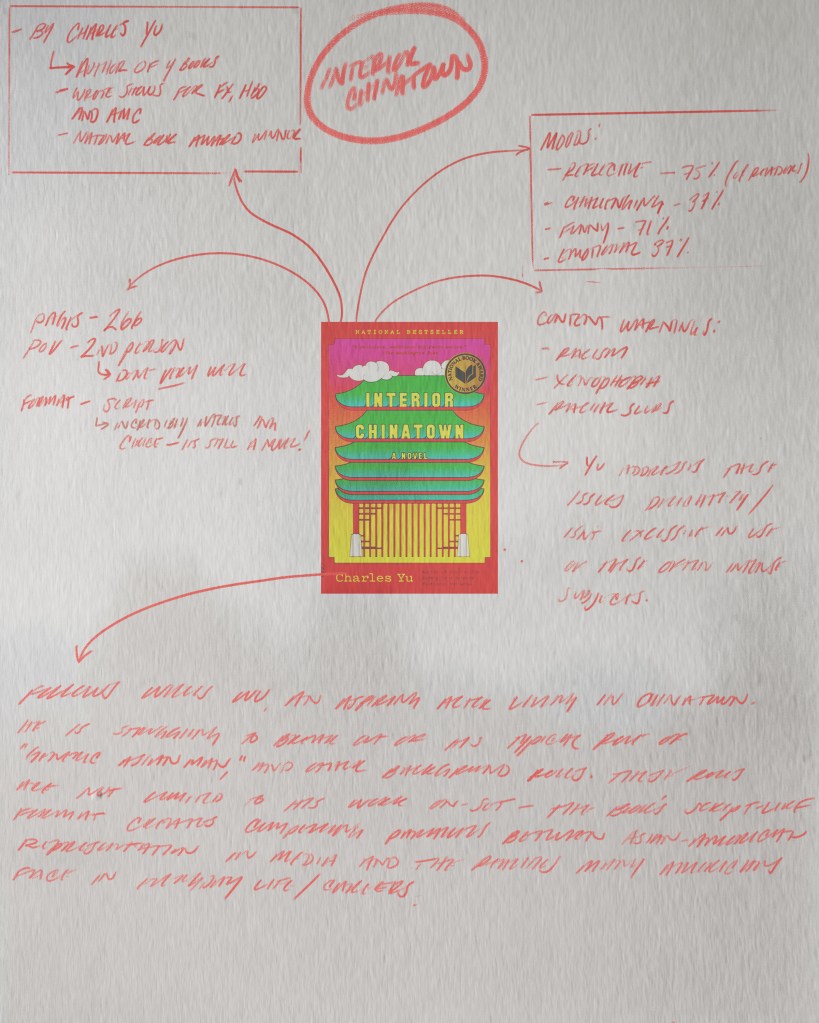
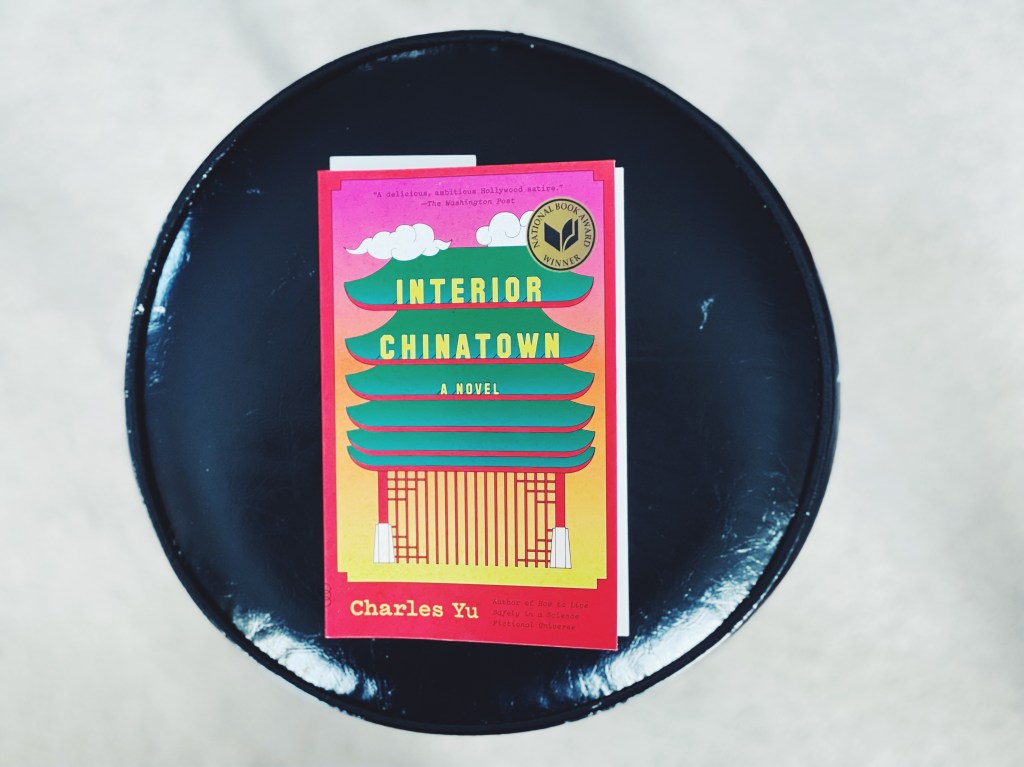
I recently finished reading Interior Chinatown by Charles Yu. This novel is deeply thought provoking, reflective, and challenging while maintaining moments of joy, hope, humor and inspiration.
This book could not be more different from my previous read, Mistborn. As such, the review is formatted differently– for instance, there’s no magic system to talk about, or worldbuilding to analyze. This review is shorter as a result, and I don’t feel the need to get into spoilers– it’s a relatively short book, and most of it can be talked about openly without spoiling the plot. Thanks for bearing with me as I work towards finding a review style that works for me!
Review
Interior Chinatown takes place in– you guessed it– Chinatown! The specific American city this Chinatown is in remains ambiguous, which I think serves thematic purposes.
This book can’t be discussed without acknowledging the incredible format decisions made by the author: it is a novel, yet it is formatted more like a television script, with some scenes taking place inside a fictional TV show. It is all written in second-person point of view (POV), which is a very interesting (and effective) choice. The story follows Willis Wu, an aspiring actor who grew up in Chinatown– this is the character referred to as “you” throughout the story. The TV script format follows Willis both on and off set, infusing his life with theatrical metaphors– it speaks to the roles each person plays in society, the roles that a “Generic Asian Man” must play in order to find success in society, and how that all relates to the aspirations of (and possibilities for) Asian-Americans in Chinatown (and American society at large). I’ve never seen the format of a book serve the story’s themes so directly and effectively.
“Ever since you were a boy, you dreamt of being Kung Fu Guy. You are not Kung Fu Guy. You are currently Background Oriental Male, but you’ve been practicing. Maybe tomorrow will be the day.”
Charels Yu, Interior Chinatown
The second-person POV sounds like it would be jarring, but it actually took me a few chapters to realize it was second-person at all. I think this has less to do with my comprehension abilities, and more to do with Yu’s incredible control over his writing. The way he writes feels very natural, and the second-person POV is really effective for situating oneself within the narrative– it’s easy to get sucked into the beautifully detailed settings Yu lays out, even when the settings are not conventionally beautiful. The POV helps us build empathy for Willis, his family, and his community, and Yu is able to show us the world through Willis’ eyes. At times, it reads more like a memoir than a fictional novel.
“Black and White always look good. A lot of it has to do with the lighting, designed to hit their faces just right. Someday you want the light to hit your face like that. To look like the hero. Or for a moment to actually be the hero”
Charles Yu, Interior Chinatown
While there were a few times when I laughed out loud while reading, there are some parts of this book that are quite heavy and serious. It is eye-opening in its explorations of media and Asian-Americans in television and film, and sheds light on some of the challenges that many Americans face daily– discrimination, hate crimes, misrepresentation/flanderization in media, among other things (listed below). I read this at the same time as Mistborn to give myself a bit of respite from the intense scenes that occasionally arise in Interior Chinatown. As I mentioned, it is very well-written, emotionally compelling, and direct in its social commenttary– if you choose to pick this up, I recommend reading it at a comfortable pace and having a lighthearted book on the side to pick up after reading particularly intense chapters. This has been a great strategy for me, and made it easier for me to get through many serious-toned books. With that said, here are some content warnings for Interior Chinatown:
Racism – from systemic to interpersonal, this book has depictions of various kinds of racism against Asian-Americans.
Racial slurs and hate crimes – there are a few scenes where characters discuss racial slurs they’ve been called, and descriptions of violent hate crimes committed against a few of the characters.
Xenophobia – Goes hand-in hand with the last bullet, and commentary on Xenophobia in media-related settings.
Sexual Assault – I believe there is only one scene where S.A. is at the forefront- worth mentioning in this list.
Interior Chinatown won the National Book Award, and I can certainly see why– It is brilliant in many regards. It is fast-paced, while maintaining intentionality and conciseness. I laughed, and I cried. It’s full of hope, pain, joy, and sorrow– it is truly remarkable what Yu has managed to achieve in just 265 pages.
Thank you for reading!
I’ll have more book reviews coming soon! I’m heading out for study abroad in Prague very soon, so I’m unsure of what my reading schedule will look like– I’ll definitely have reviews for the next few weeks. I’m particularly excited to share my thoughts on the next one, The Cat Who Saved Books by Sosuke Natsukawa. Subscribe to the email list, and never miss the weekly post! Take care.
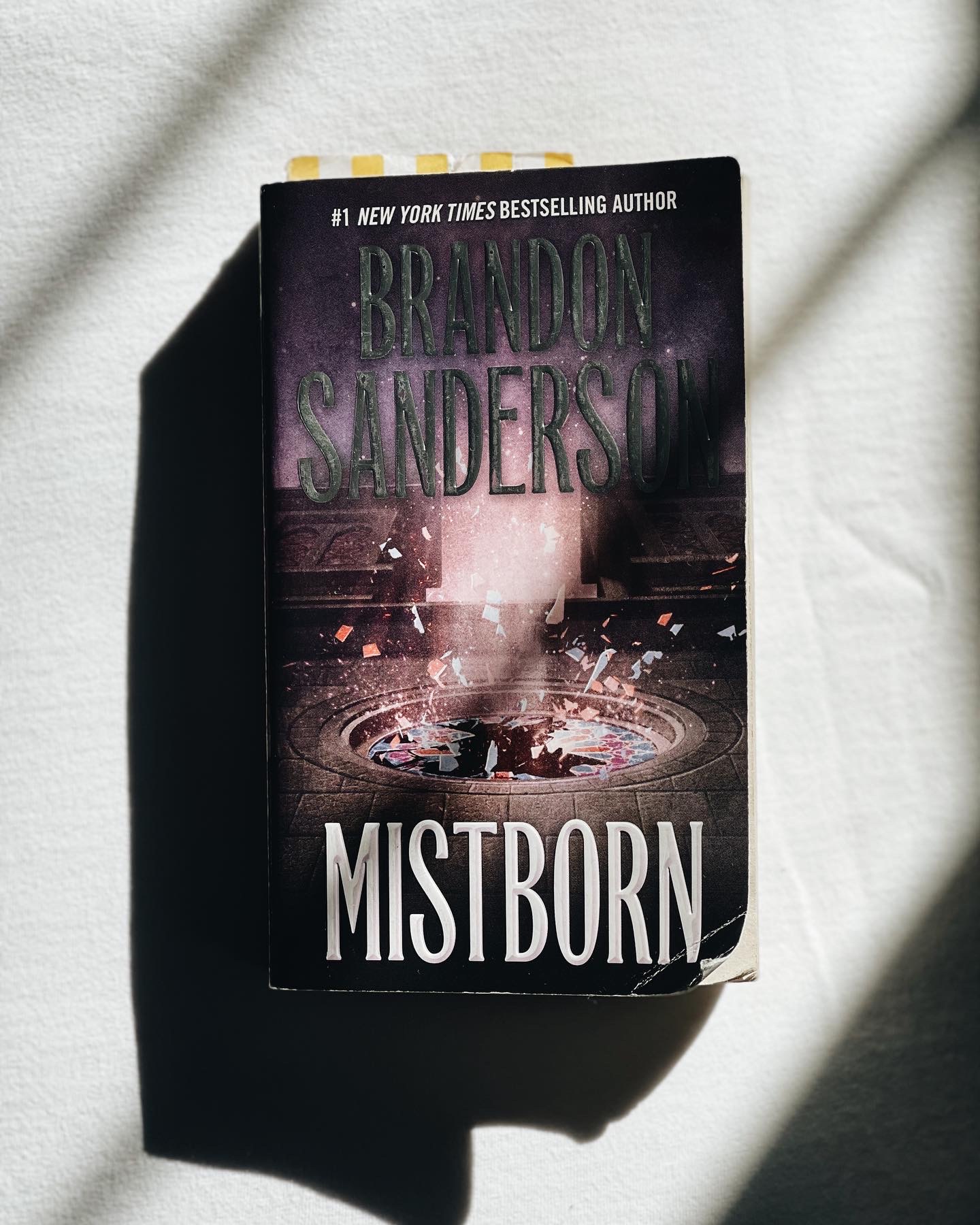
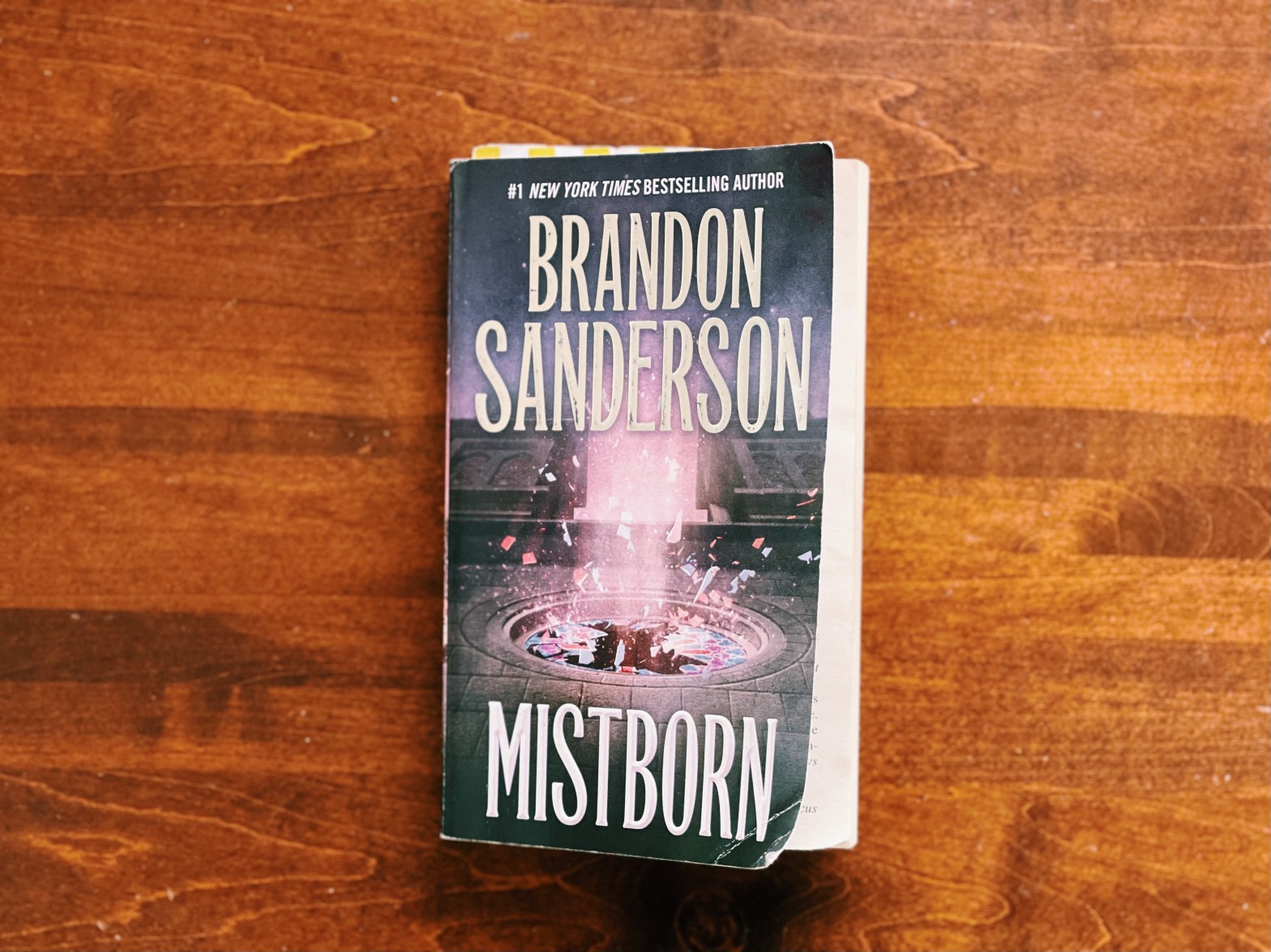
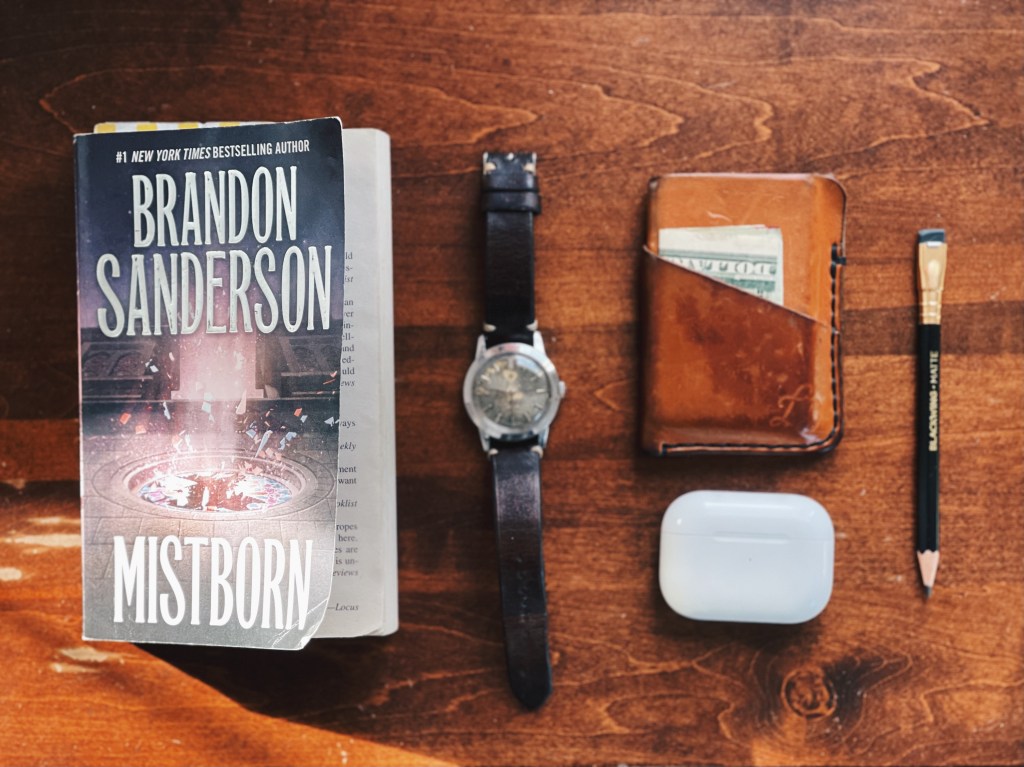
Last night, I finished my first book of 2022: Mistborn by Brandon Sanderson. Formerly known as Mistborn: The Final Empire, this book kicks off the Mistborn Trilogy– one of Sanderson’s most beloved adult fantasy series. The first half of this review will be spoiler free, and the rest will be all of my nitty-gritty thoughts on the events of the book. The two reviews will be the same, except the spoilers will be taken out of the non-spoiler one. If you’ve read the book, feel free to skip to the spoiler review.
I had a great time with this book, and am excited to share my thoughts!
The Premise
Mistborn takes place in the Final Empire, a nation that dominates the entirety of the known world. The immortal emperor, the Lord Ruler, has made the empire a place of despair– the peasant class, the skaa, have been beaten down and forced into submission for the past thousand years, while the nobility put them to work and subject them to abuses in the fields, mines, and forges. Ash falls from the sky, and nothing is green in the world.
Kelsier, a charismatic golden-retriever-energy skaa with a thirst for noble blood, and his ragtag gang of highly skilled thieves find themselves involved in a high-risk-high-reward job: stealing from the Lord Ruler himself.
Vin, a sixteen-year-old street urchin who’s been chewed up and spit out by Luthadel’s underground crime scene, doesn’t trust a soul in the world. While she’s incredibly suspicious of anyone who shows her kindness, Kelsier’s team makes her an offer that is hard to resist: a job, practical training in her newfound magical abilities, a bed to sleep in, and some colleagues who might not betray her immediately.
“Honestly, for an evil god of darkness, he certainly can be dull.”
– Vin, on the Lord Ruler’s writing style
Map of Luthadel, the Final Empire’s capital city.
The Magic System
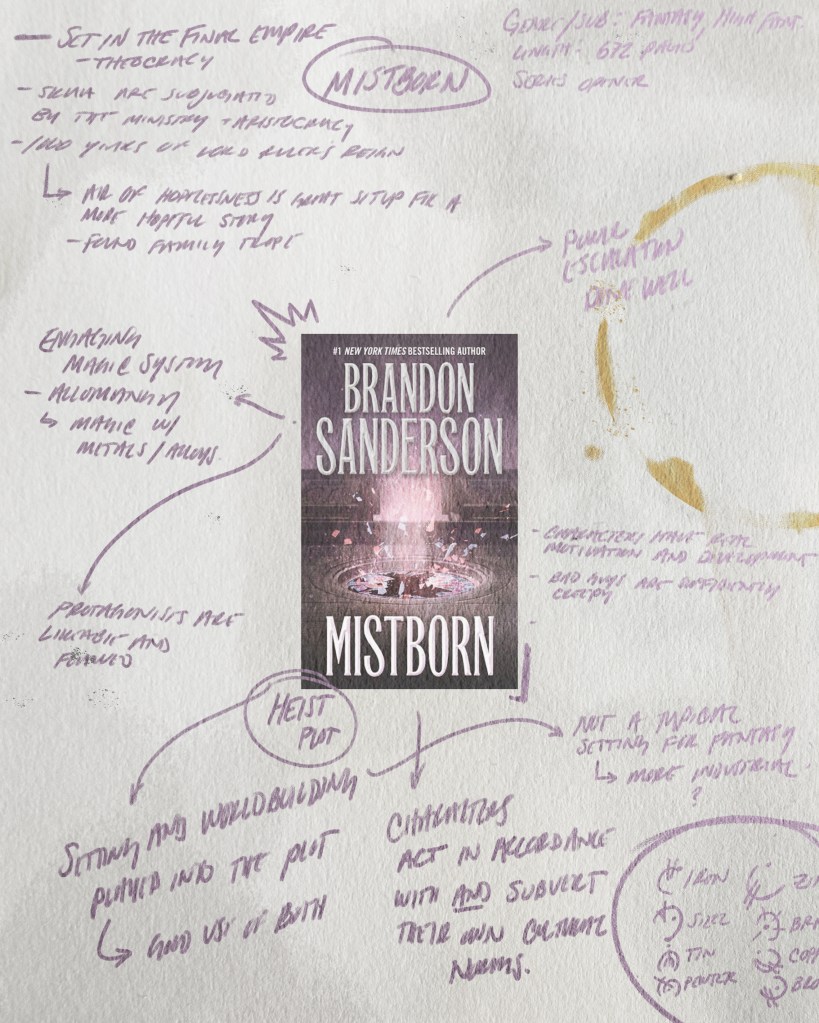
Allomancy is the primary magic system of Mistborn (there are others too– they’re really cool, but RAFO). Allomancers are able to ingest metals, and access different abilities based on which metal they “burn.” For example, tin enhances the senses: “Kelsier burned tin, feeling it flare to life in his chest, enhancing his senses. . . his ability to percieve simply increased.” Other metals have provide different abilities. Most allomancers, called Mistings, can only burn one metal. If one is able to burn all of the metals, they are called a Mistborn.
To name a few of the metals, pewter enhances physical strength and endurance, iron and steel allow the allomancer to push and pull on metal objects around them (making coins fly like projectiles, or pushing off of large metal objects to jump inhumanly high), and Brass allows the suppression of emotions (on oneself or others). The concept is relatively simple, but the applications of them are remarkably creative and dynamic– their uses and applications vary depending on the style of the allomancer and the task at hand, while always adhering to the physical laws allomancy is bound by.
“Every action we take has consequences, Vin. I’ve found that in both Allomancy and life, the person who can best judge the consequences of their actions will be the most successful.”
– Kelsier
For those unfamiliar, this is a great example of a hard magic system– it has a hard-and-fast set of rules, and the limitations and consequences of using the magic are defined to the reader somewhat clearly. The result is an engaging set of tools at that can be used to solve problems, and still feels satisfying to the readers. The typical cop-out solution of “a wizard waved his hand and fixed our problems” is virtually nonexistent in Sanderson’s magic. Progress towards the characters’ goals always feels earned.
Non-Spoiler Review!
Mistborn was a very fun read. Clocking in at 673 pages, this is a pretty short book by Brandon Sanderson’s standards and retains all of the action-packed high fantasty awesomeness we’ve come to expect from him.
The worldbuilding is perfect for what it is trying to accomplish– my first experience with Sanderson’s writing was the Stormlight Archive (Sanderson’s fantasy epic), so this world feels small and contained by comparison. That said, the smaller scale allows Sanderson to provide a greater deal of detail for every place he brings us to. It sucks me in, and I feel like I’ve lived in the Final Empire and Luthadel every time I open this book. Instead of having a “Farmy McFarmboy” character for us to discover the magical world through, we are given two unique protagonists; one who knows the magic inside and out, and one who’s ignorance of the magic is deliberate– it had been hidden from her for her entire life.
The melding of personality and culture in Mistborn is spot-on. Every time I read high fanstasy, I look for this. If the characters, their dispositions, beliefs, and prejudices don’t align with or react to the culture they grew up in, I am pulled right out of the story. From what I could tell on my first read, every character’s actions and motivations can be traced back to their culture, personality, past experiences, or any combination thereof. They are believable, realistic characters who are invested in the plot for meaningful reasons, making us as readers more invested in the plot. Not to mention, the protagonists are downright likeable and easy to root for (most of the time o_0).
“The right belief is like a good cloak, I think. If it fits you well, it keeps you warm and safe. The wrong fit however, can suffocate.”
– Sazed
Allomancy is a great example of how Sanderson ties magic in with his worldbuilding– the metallic basis of it allows him to engage the economy of the Final Empire intimately with magic and the regulation of it. Not to mention– it’s frickin’ cool. It makes for some fantastic high-flying action sequences and tense moments of intrigue and manipulation. It is a magic system that covers all the bases. There is one rule of the allomancy that seems like it’s only included to make the plot possible, but I’ll concede that issue because the plot is pretty great. I go into this more in the “spoilers” section.
Throughout the book, Sanderson does a great job acknowledging the moral dilemmas that arise in a way that allows him to pick his battles. There are plenty of situations where the ethics are ambiguous. Instead of letting the ambiguity hang, there are one or two characters who always brings up the sort of moral questions that matter to the audience. We come to expect that from them, as the other characters do, so it feels natural when they question the ethics of an action or situation. It clears the worry that Sanderson expects us to be chill with our protagonists doing sketchy immoral stuff, and reassures us that the characters have good reasons for doing what they do. Good move, Brando.
At no point in the story did I know how it was going to end. I’ve watched Sanderson’s BYU creative writing lectures, and he’s talked a good bit about plot and story structures. He’s mentioned a few times in those lectures that Mistborn is a great example of a heist story. Because of that, I expected it to be fairly straightforward and simple, more or less following the recipe for a good heist. While it seemed to start off like that, I was quite wrong in the best way– the story twists and turns in ways I didn’t predict. Sanderson does a great job writing twists such that you could predict them if you’re clever enough, but most people won’t be able to– a sign of a great writer. I won’t say more on that 😉
There are a couple of plot conveniences that bug me. To avoid spoilers, I’ll just say that it would have taken (ballpark) fifty dedicated pages to address one of them, so I don’t exactly blame Sanderson for leaving them in. I am a bit disappointed by them, but they didn’t detract from my enjoyment in the moment– though looking back, I wonder “what if they had been addressed?”
Lots of readers recommend Mistborn as a starting point for new Sanderson readers, and people getting started with high fantasy in general; I agree, though I’m still of the opinion that Warbreaker is a better starting point based on the fact that it is a standalone. I go back and forth between whether I’m a bigger fan of Allomancy or BioChroma– long story short, I think they’d both make great starting points, and I could argue either side. I’d say I lean towards recommending Warbreaker– I think it has more elements of what beginners expect from fantasy (a lively, bustling city with taverns and palaces), where Mistborn is different enough from typical fantasy aesthetics that it may not hook beginners as much. Just conjecture. Both wonderful books with engaging plots and great characters!
I’m very glad to have started 2022 off with Mistborn! I enjoyed reading it from start to finish, and I am excited to read the Well of Ascension and Hero of Ages. Given how well the first book wrapped up the main plot, I’m curious where the next will pick up– there are enough options that it is hard for me to predict right away. Regardless, I’m looking forward to it!
Spoilers!
Mistborn was a very fun read. Clocking in at 673 pages, this is a pretty short book by Brandon Sanderson’s standards and retains all of the action-packed high fantasty awesomeness we’ve come to expect from him.
The worldbuilding is perfect for what it is trying to accomplish– my first experience with Sanderson’s writing was the Stormlight Archive, so Scadrial feels small and contained by comparison. That said, the smaller scale allows Sanderson to provide a greater deal of detail for every place he brings us to. It sucks me in, and I feel like I’ve lived in the Final Empire and Luthadel every time I open this book. Instead of having a “Farmy McFarmboy” character for us to discover the magical world through. we are given two discinctive protagonists; one who knows the magic inside and out, and one who has had the magic deliberately hidden from her and her social class for her entire life– it is not a coincidence that Vin is uninformed. Allomancy is something that the Lord Ruler and aristoctacy have determined she should not know about.
The melding of personality and culture in Mistborn is spot-on. Every time I read high fanstasy, I look for this. If the characters, their dispositions, beliefs, and prejudices don’t align with or react to the culture they grew up in I’m pulled right out of the story. From Vin’s unlearning of her thieving ways to better blend in with the court to Kelsiers outright hatred for the nobility, the characters posess the perfect blend of individual personality/experiences and the worldbuilding. Sazed is a shining example of this — he is conditioned to be a subservient steward, and is. There are times when this guides his actions, like his discussion of servitude with Vin in chapter sixteen. He says, “‘We are eager to do as we are told, quick to seek subjugation. Even I, whom you dub a rebel, immediately sought out a position of stewardship and subservience.'” Even with his acknowledgement of this strong urge to serve, there are times that his individuality guides his decisions– He is a Keeper, so his existence is an act of treachery against the Lord Ruler in and of itself. His willingness and ability to subvert his conditioning is owed in large part to this other immense duty he has– preserving pre-empire knowledge. This is the only known factor that encourages him to rebel to a greater extent than his fellow Terrismen, and makes room for his personality to shine through. Sazed is a fairly bold example of this melding of character and worldbuilding. From what I could tell on my first read, every character’s actions and motivations could be traced back to their culture, personality, past experiences, or any combination thereof. In less convoluted terms, they are believable, realistic characters that were invested in the plot for meaningful reasons.
Allomancy is a great example of how Sanderson ties magic in with his worldbuilding– the metallic basis of it allows him to engage the economy of the Final Empire intimately with magic and the regulation of it. Not to mention– it’s frickin’ cool. It makes for some fantastic high-flying action sequences and tense moments of intrigue and manipulation. It is a magic system that covers all the bases. My only probem with it is that some of its rules seem too convenient– like the fact that metal that pierces a human body, or is otherwise internal, can’t be Pushed or Pulled (unless the allomancer is ridiculously powerful). Most of it beyond that seems to be based in the metals’ physical properties; there must be something physical about pewter that makes it enhance strength, and so on. The piercing rule, however, seems to exist only to serve the plot– allomancy is pretty useless if anyone can Pull the metals out of a character’s stomach, or if any old Coinshot could Push the spikes out of an Inquisitor. It was a good move to include that rule, since it makes everything else possible. It feels odd to be discussing how “realistic” a magic system feels, but that one rule is the only part of allomancy with no implied reason behind it. Regardless, I think Allomancy is a great magic system.
Throughout the book, Sanderson does a great job acknowledging the moral dilemmas that arise in a way that allows him to pick his battles. An early example is the debate between Ham and Breeze about whether Soothing is a morally justafiable ability. Ham says that use of Soothing is a violation of the victim’s free will– the user is unable to consent to the alterations of their mood, and is forcibly made more likely to succumb to the manipulation that follows. Breeze asserts that Soothing is merely another form of encouragement comparable to the wide variety of manipulative tactics people use all the time– maybe manipultation isn’t morally justifiable itself, but Soothing is no better or worse than the garden variety. Any reader could reasonably side with either character, and Sanderson doesn’t need to provide a solid answer to us– all he had to do to satisfy is bring up the argument, and acknowledge that the ethics could go either way. Having Ham as a character who always brings up those sorts of moral questions was a good choice. We come to expect it from him, as the other characters do, so it feels natural when he questions the ethics of an action or situation. They act as a stand in for the reader who is uncomfortable with the actions of a protagonist (as I was a few times). It clears the worry that Sanderson expects us to be chill with immoral heroes, and reassures us that the characters have good reasons for doing what they do. Good move, Brando.
Let’s discuss the ending. At no point in the story did I know how it was going to end. I’ve watched Sanderson’s BYU creative writing lectures, and he’s talked a good bit about plot and story structures. He’s mentioned a few times in those lectures that Mistborn is a great example of a heist story. Because of that, I expected it to be fairly straightforward and simple. I was quite wrong in the best way– the story twists and turns in ways I didn’t predict. Sanderson does a great job writing twists such that you could predict them if you’re clever enough, but most people won’t be able to. I liked it– it wrapped up all of the plot points we care most about, while leaving plenty of possible loose ends for book two to pick up on. It could have been a standalone, and the ending still would have made perfect sense.
I found it mostly satisfying, but I don’t think it hit me as hard as other readers said it might. Specifically, I’m not sure how I feel about Marsh’s role at the end. I think that it was absolutely incredible to see him come back as an inquisitor to fight the Lord Ruler– the moment that Vin realized it was him was stunning. That said, I would have loved to see Marsh’s perspective enter the narrative after Kelsier believed he was dead. I could go into heavy detail. . . and I will.
If Sanderson had shown us that Marsh was alive and infiltrating the Canton of Inquisition shortly after Kelsier believed him to be dead, we would have gained a boatload of dramatic irony. Think about Kelsier recklessly throwing himself into a deathmatch with an Inquisitor thinking it killed Marsh, while we know that Marsh is alive and well. Think of Kelsier being struck down by the Lord Ruler thinking everyone he loved had died, while we see Marsh figuring out the weakness of the Inquisitors behind the scenes. In the moment that Vin belives she is doomed to die in Kredik Shaw by the Lord Ruler’s hand, Marsh joins the fray. We see Vin’s fantastic realization, but the difference is that we got to see Marsh’s struggle to get there in time– after all, he was busy ripping spikes out of the Inquisitors’ backs. The pile of bloody stakes on the floor would feel much more earned. As it stands, that plot point relies on logic something like “turns out it was just a miscummunication! Marsh is alive, and he managed to kill every single Inquisitor in Luthadel ‘off camera’ between the scene where the lord prelan is killed and the fight with the Lord Ruler.” In the moment I was reading it, I loved that scene, but looking back I’m not the biggest fan. I would have gladly read fifty more pages to accommodate a Marsh POV.
Lots of readers recommend Mistborn as a starting point for new Sanderson readers, and people getting started with high fantasy in general; I agree, though I’m still of the opinion that Warbreaker is a better starting point based on the fact that it is a standalone. I go back and forth between whether I’m a bigger fan of Allomancy or BioChroma– long story short, I think they’d both make great starting points, and I could argue either side, but I’d say I lean towards recommending Warbreaker. I think it has more elements of what beginners expect from fantasy (a lively, bustling city with taverns and palaces), where Mistborn is different enough from typical fantasy aesthetics that it may not hook beginners as much. Just conjecture. Both wonderful books with engaging plots and great characters!
I’m very glad to have started 2022 off with Mistborn! I enjoyed reading it from start to finish, and I am excited to read the Well of Ascension and Hero of Ages. Given how well the first book wrapped up the main plot, I’m curious where the next will pick up– there are enough options that it is hard for me to predict right away. Regardless, I’m looking forward to it!
I agonized over that simple title– it feels pretty big to establish the naming structure for my reading updates. I went with “Reading Update No. 1” because this is the first time that I am updating you. I like that the number at the top of the page will refelct how many reading updates there have been. To balance my desire to populate this blog with my desire to have a consistent (and reasonably paced) posting schedule, I’ll post these reading updates on Sunday mornings, and other topics on Wednesday evenings (if I have another that week). Let me know how that sounds to (all seven of) you! Feel free to introduce yourselves in the comments, too!
This post will cover the beginning of 2022, since there have been no updates up to this point.
Mistborn
Stats from The StoryGraph (link on home page)
I’m starting off the year with Mistborn by Brandon Sanderson. Mistborn is a high fantasy trilogy following the charasmatic paladin-type character Kelsier, and a sixteen year old thief named Vin. It takes place in The Final Empire, a Theocracy established and maintained by the power of the Lord Ruler– the god figure and emperor.
The magic system is so much fun to read– it is called Allomancy. Allomancers are able to ingest certain types of metals, and by “burning” them, they gain magical abilities. For example, Allomancers that can burn pewter gain super-strength-like abilities, and those who can burn steel are able to push on other metal objects — making small coins fly like projectiles, or pushing off of large metal objects to jump inhumanly high. There are metals that allow the user to manipulate emotions, and some that enhance the user’s senses. It makes for some really interesting fight sequences and intrigue– the fact that it is framed as a heist story really sweetens the deal.
I’m enjoying it so far! The characters are complex, lovable, and flawed. The setting is one that comes up a lot in fiction: the totalitarian state that dominates and subjugates everyone except the highest echelons of society, and those closest to the ruler. In short, its been done many times before. However, the fantasy elements combined with the heist story format give it a wonderfully fresh feeling. It’s a setup that gets us invested in each of the characters for their individual strengths and weaknesses, and puts them in a familiarly bleak setting. As a reader who is familiar with the stereotypical totalitarian state, I am on the edge of my seat wondering if they’re going to succeed against the forces subjugating them; I’ve seen many good characters fail in the past. In my opinion, Mistborn is a great way of using the trope-familiar setting to enhance the stakes.
I love reading fantasy in the winter. I think it has something to do with fantasy’s ability to reintroduce wonder to my life. I love that cultures in the far Northern reaches of the globe have long storytelling traditions to get through the winter– like Norse sagas and the oral traditions of the Irish seanchai. The idea of long, fantastical stories keeping people entertained through the long nights and cold months is really appealing to me. While oral syorytelling traditions are harder to come by in the US these days, there are plenty of extensive fantasy series to fill that void. Reading Mistborn in January is proving to be a good choice. Can’t wait to finish it!
Interior Chinatown
Interior Chinatown by Charles Yu is completely taking me by surprise. The cover says it is “a novel,” and its formatted more like a script. But it is definitely a novel– the script-ness is definitely a stylistic choice (and a fantastic one, as I’ll get into). I read the first 80 pages in an evening– partially because of the low word count per page, and mostly because I was hooked. By page twenty, I was tearing up.
The descriptions are beautiful, and Yu has an incredible ability to make me feel like I am in Chinatown with the characters. The prose borders on poetry at times. The second-person POV (using “you” and referring directly to the reader– a bold and uncommon choice) definitely contributes to this. In the second-person works I’ve read in the past, it was a jarring POV and took a while to get used to. Yu, however, uses it so flawlessly that it took me about ten pages to realize it was second person at all. From that point on it continued to feel natural and served the story perfectly. I’m really enjoying the different style and seeing the effect it has on both the narrative and my interpretation of it.
The specific Chinatown this novel takes place in is kept ambiguous for thematic purposes– and it definitely works. I think Yu wants us to take the book as an example of what Asian people in the diaspora experience, without granting the reader the ability to deny it based on geography– the “well that’s just in that city” self-exemption goes out the window. He frames the story in the same generalizations that American society already pidgeonholed Asian communities into– Chinatown is different city to city, but they’re all called Chinatown and regarded similarly no matter where you go. This book plays into that at first, and then dives deeper into the complexities of life in Chinatown, and what it’s actually like to live life there. The parts that do this best read more like a memoir than a novel.
This book seems to have two faces: the literal and the metaphorocal. Literally, it is about Willis Wu, an actor who is stuck in the role of “Generic Asian Man” in a stereotypical crime drama. In these scenes, he is an actual actor who is on set playing a role. However, the script format serves as an extended metaphor when Willis isn’t acting in a scene. Each member of the Chinatown community plays a role– for example, most young dudes start off as “Generic Asian Man,” and have dreams of getting the role of “Kung Fu Guy”. I’ve been really drawn in by that discussion. Kung Fu Guy is the Asian man most valued by society– the famous, the revered, and the literal Kung Fu Guys we see on TV (i.e. Bruce Lee). Yu is talking about the value of Asian representation in media, and whether the Kung Fu Guy is a good form of representation– while Asian Americans finally get see someone who looks like them on the big screen, he is painfully aware of how it reinforces stereotypes, and just how few Asian actors get to play that coveted role. Here’s a quote that illustrates this:
“. . . Bruce Lee proved too much. He was a living, breathing video game boss-level, a human cheat code, an idealized avatar of Asian-ness and awesomeness permanently set on expert difficulty. Not a man so much as a personification, not a mortal so much as a diety on loan to you and your kind for a fixed period of time. A flame that burned for all yellow to understand, however briefly, what perfection was like.”
Interior Chinatown, page 24
There is humor and satire mixed into the serious discussions that make it more fun to read and more impactful at once. I’m quite excited to see where Yu goes with the rest of the book. After reading the first eighty pages in an evening, I’m going to take the rest a bit slower to take it in more intentionally.
Thanks!
Thanks for reading! In addition to these reading updates, I’m planning on doing book reviews (which would be Wednesday posts). If the reading updates drain everything I have to say about books, I might change the way I do updates so the reviews can be stronger, or distill the best parts of the updates to supplement the reviews. I may also decide to post only on Sundays, and make the post an update or review or something else entirely. We’ll see how it goes! See you next Sunday 🙂
Welcome to my first blog post ever! I think it’s only fitting to make this an introduction post– you should know who is writing (though I’m sure you’ll get to know me better through future blog posts). This post will also cover my intentions for this blog, why I’m making it, and the topics I plan to discuss.
I’m Sam Cote (pronounced KO-tee)
I am a college student at Syracuse University, and planning to spend this coming semester in Prague, Czech Republic. I’m majoring in International Relations and anthropology, focusing on Asia and Intercultural Communication (ICC). I’m endlessly interested in these subjects, and they will frequently come up in future blog posts– they’ve shaped the way I interpret the world and the media I consume. I promise I’ll keep it interesting!
I grew up in a suburb of Boston, and spent many afternoons, evenings, and weekends of High School teaching myself photography and videography; if you scroll way back on my Instagram and YouTube pages, you’ll see the artistic growing pains from that time. It took a while for me to settle into my own style of online content, and it’s something I’ll continue to do for years to come.
Most recently, I’ve found myself on TikTok, and been loving being a part of the BookTok community. The people there have been motivating me to keep reading with all of their recommendations and enthusiasm– it’s fantastic that reading the books I love to read can help me find a community online. Since getting involved over there, I’ve decided that “books” as a niche is exactly what I want to focus on.
This Blog
Blogging, as a whole, is very new to me. Other than being assigned a blogging project in middle school by a ~tech savvy~ teacher, this is my first real attempt. I’m finding WordPress tough to use, but slowly making it work– I’m not in love with my homepage layout right now, but it is functioning; that’s good enough for the time being!
This blog/website is going to serve a couple functions:
It’s a place my entire internet presence can link back to. Ironically, Squarespace’s marketing on every YouTuber’s videos motivated me to get a domain– just not with their service ¯\_(ツ)_/¯. And having samdcote.com snuggled right up with all of my matching socials handles feels *immaculate*
Thought collecting and idea generation. When I make YouTube videos, I generally type out a rough script beforehand– essentially blog-post-versions of my videos. That got me thinking: “why not make a blog with all of my thoughts on the books I read so I have something to pull from when it comes time to make a video?” Essentially, the blog is going to make it easier to make book content, while simultaneously being book content. Genius.
WordPress seems like the most scalable option, so if I ever want to sell books or merch or anything like that I’ll, theoretically, only have to update my website to accommodate that. Theoretically.
Thanks!
As I say at the end of my YouTube videos, thank you for being here. Thank you for being you. I can’t wait to really get the posts flowing, and see what this blog grows into. If you subscribe, you can expect high-quality book reviews, rants, releases, updates, and more delivered right to your inbox. See you in the next post, friend!





 samdcote.com